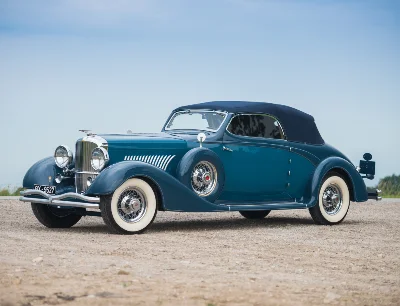
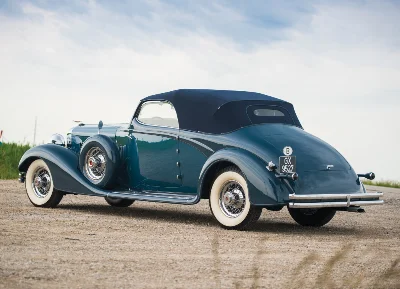
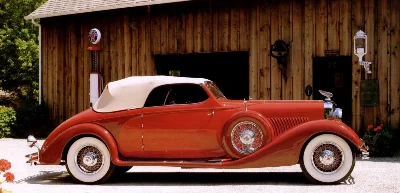
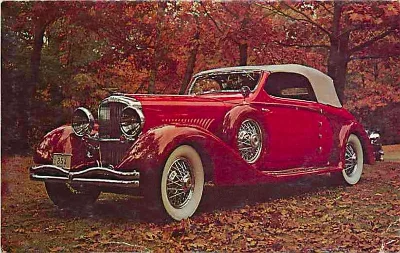
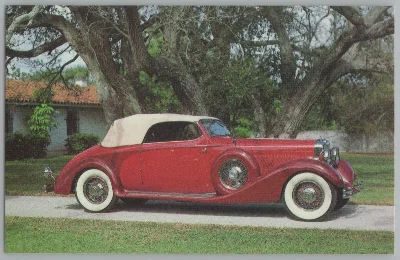
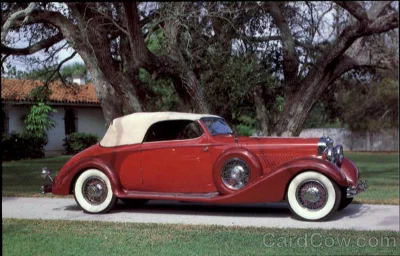
Duesenberg Model J chassis 2548, powered by engine J‑519, occupies a unique place in marque history as the last standard Model J shipped to Europe. Combining American engineering with elegant Belgian coachwork, it represents one of the most distinctive and cosmopolitan Duesenbergs ever built.
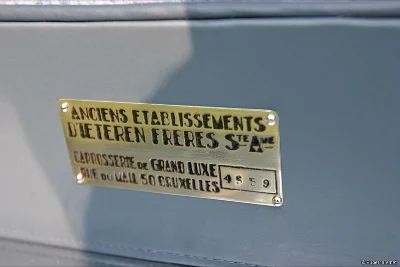
Chassis 2548 was shipped from the United States on February 9, 1934, destined for E.Z. Sadovich's Motors Deluxe dealership in Paris, Duesenberg's French representative. Seeking coachwork appropriate for the European luxury market, Motors Deluxe commissioned the respected Belgian coachbuilder d'Ieteren Frères of Brussels to create a bespoke body for the chassis.
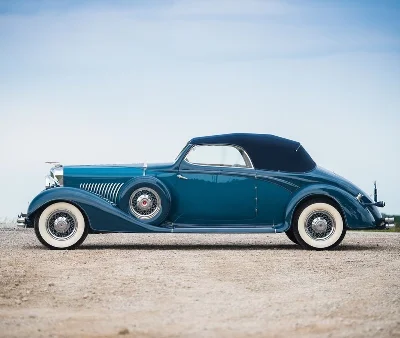
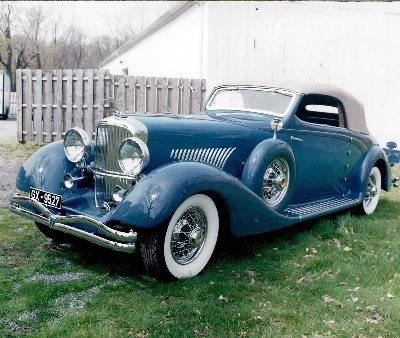
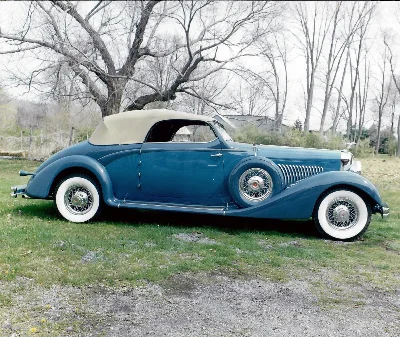
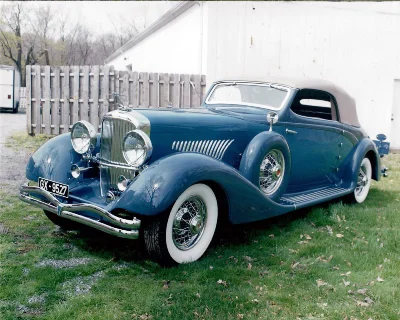
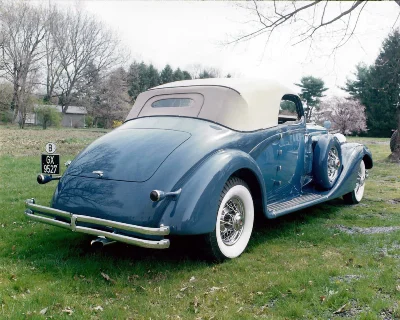
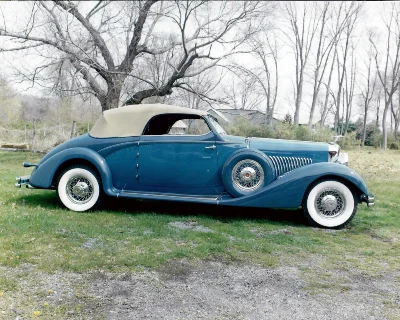
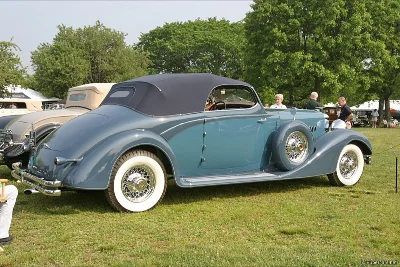
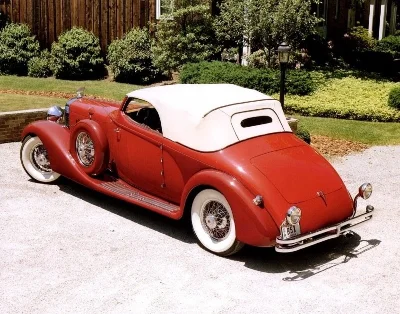
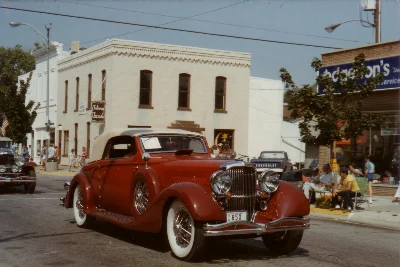
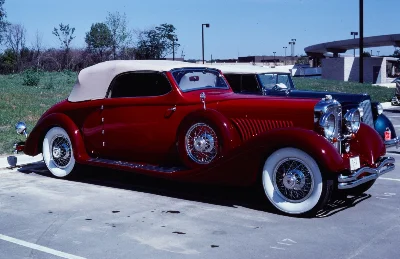
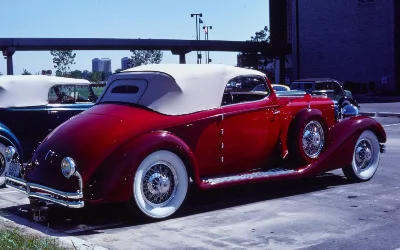
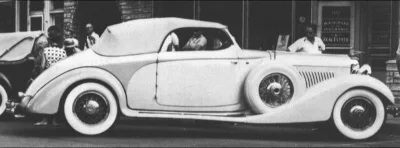
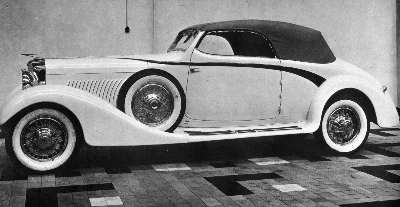
The result was a striking Convertible Victoria, notable for being the only known Duesenberg ever bodied by d'Ieteren. While many Duesenberg bodies of the era utilized aluminum construction, the d'Ieteren coachwork was built entirely of steel, giving it a distinctive character and construction unlike any other surviving Model J.
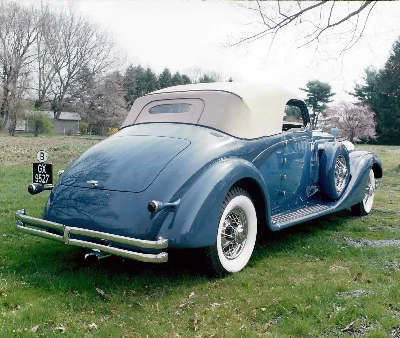
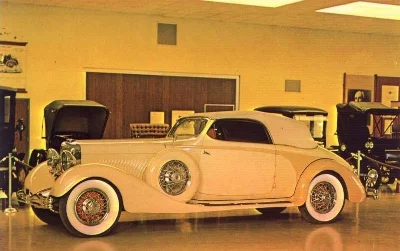
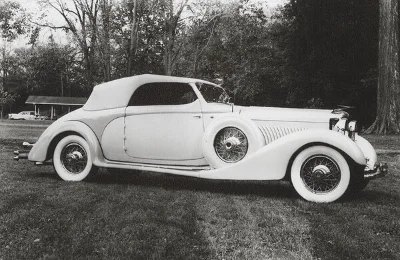
Originally, the car was finished in an elegant combination of two shades of tan, accented by a dark blue chassis and frame. Another unusual feature was the use of rear Model J bumpers at both the front and rear, a detail reflecting European coachbuilding preferences and contributing to the car's unique appearance.
In October 1935, Motors Deluxe delivered the completed automobile to Monsieur Addes, who maintained residences in both Paris and the Netherlands. During this period, the Duesenberg embodied the sophisticated transatlantic luxury that had become a hallmark of the marque.
Following World War II, the car was exported to North America, beginning a long succession of enthusiast ownership that ultimately ensured its survival.
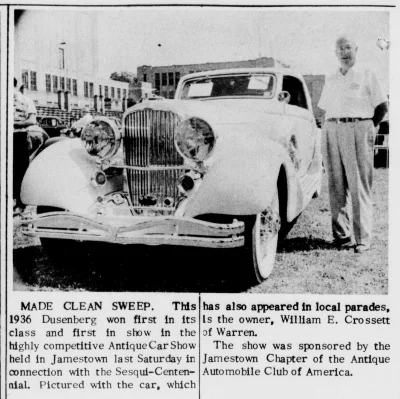
The Duesenberg first entered the care of Arthur James “Jim” Hoe of Weston, Connecticut, before passing to William Crossett of Pennsylvania.
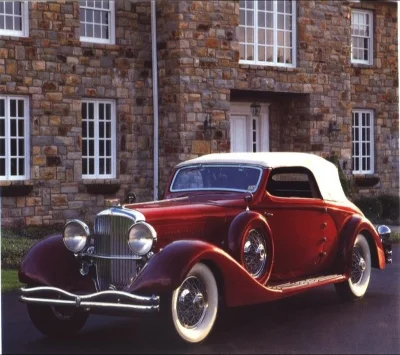
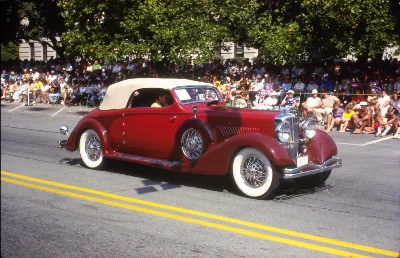
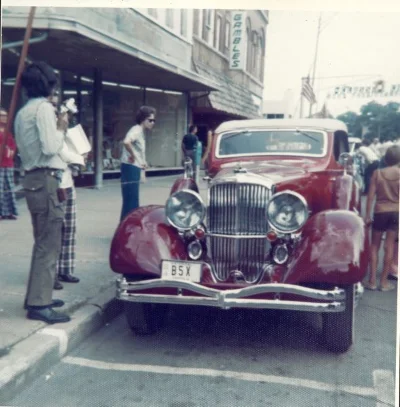
In 1973, the car was acquired by Mr. Kranz, who undertook a restoration that reflected contemporary tastes. The car was refinished in a striking two-tone red color scheme with a tan interior at a reported cost of approximately $9,000. In this form, the Duesenberg achieved considerable recognition, winning numerous awards and appearing in books, magazines, and automotive calendars.
In 1986, the car joined the collection of noted enthusiast Rick Carroll in Jensen, Florida. Following Carroll's death in 1989, his collection was dispersed at a Sotheby's auction in West Palm Beach.
At that sale, chassis 2548 was purchased by prominent Duesenberg collector Jerry J. Moore of Houston, Texas. Moore carefully preserved and displayed the car for more than a decade before selling it in the late 1990s.
The next owner, Dr. Joseph Murphy of Bethlehem, Pennsylvania, sought to return the Duesenberg to its original European-delivery appearance. He commissioned Brian Joseph of Classic & Exotic Service in Troy, Michigan, to undertake a meticulous restoration.
During this work:
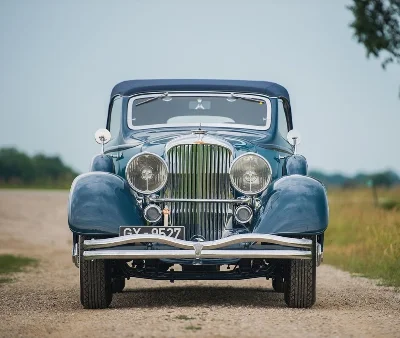
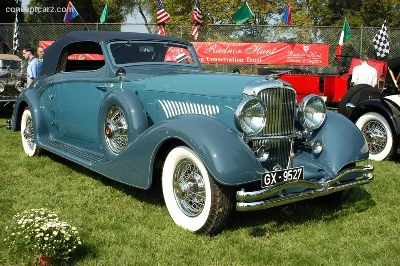
- The car was refinished in a sophisticated two-tone blue color scheme
- The colors were selected with assistance from renowned General Motors designer David Holls
- The original dual rear-bumper arrangement was reinstated
- Correct European-specification Marchal headlamps were sourced and fitted
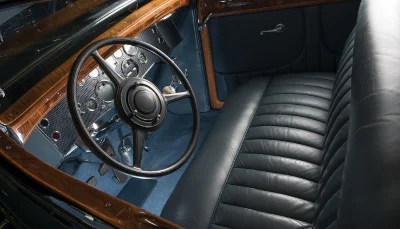
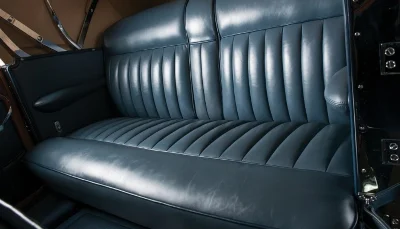
- Numerous details were restored to match the car's original d'Ieteren presentation
The result was a faithful recreation of one of the most unusual and elegant European-bodied Duesenbergs ever built.
Duesenberg 2548 stands as a remarkable blend of American engineering and European craftsmanship. As the sole Duesenberg bodied by d'Ieteren Frères and the final standard Model J exported to Europe, it occupies a special position within the history of the marque.
Its journey from Paris and the Netherlands to some of America's finest collections, and its careful restoration back to its original form, ensures that this unique Convertible Victoria remains one of the most fascinating surviving Duesenbergs in existence.