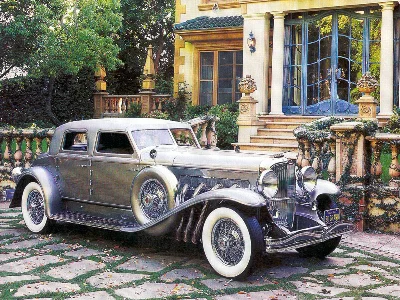
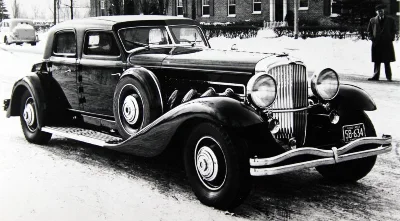
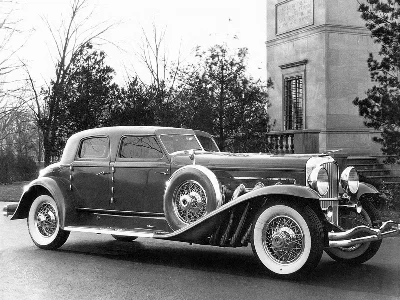
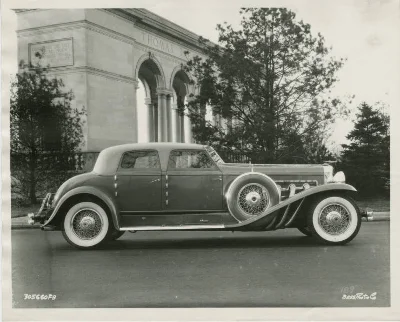
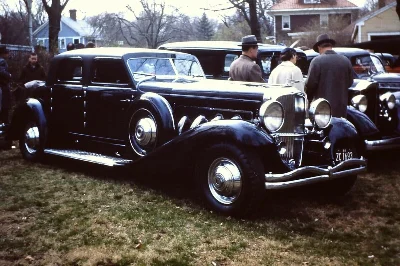
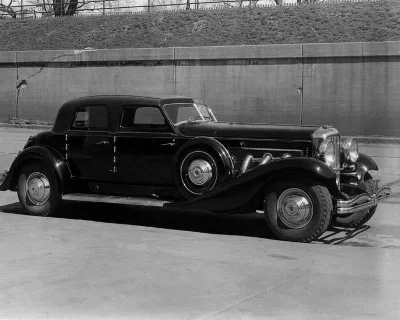
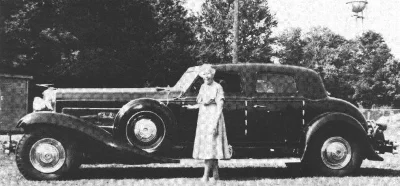
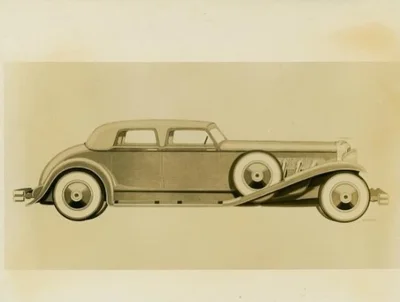
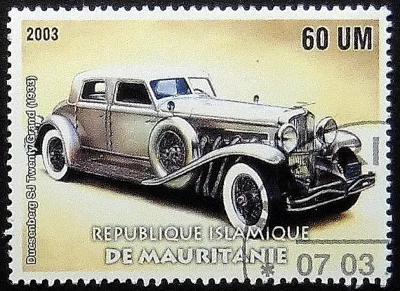
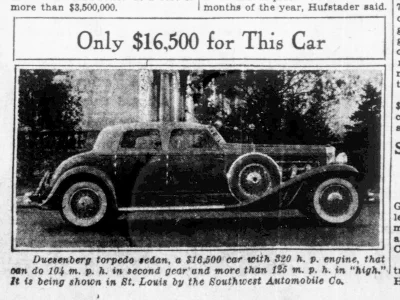
Its famous nickname, "Twenty Grand," referred to its extraordinary original price of $20,000, making it one of the most expensive automobiles in the world at a time when the United States was in the depths of the Great Depression.
For the Century of Progress Exposition, Duesenberg wanted a car that would demonstrate the very pinnacle of American automotive design. Gordon Buehrig responded by creating what is widely regarded as one of the greatest automobile designs of the Classic Era.
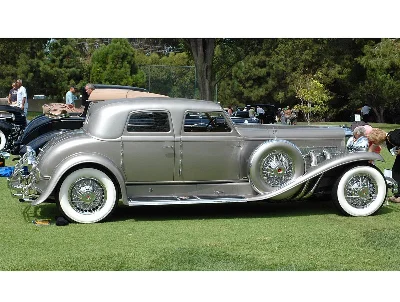
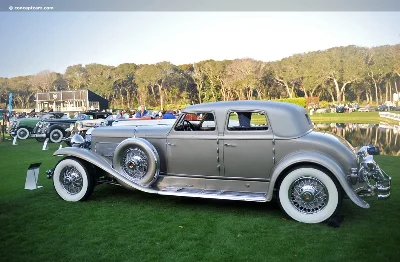
The resulting Torpedo Sedan featured:
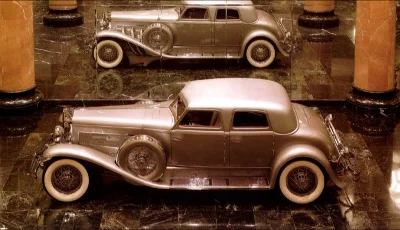
- A dramatically slanted windshield
- Small triangular side windows framing the windshield
- A distinctive roofline that dipped gracefully in a V-shape between the side windows
- Streamlined body contours years ahead of contemporary styling
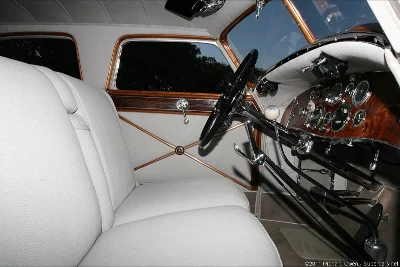
- Luxurious custom Rollston coachwork
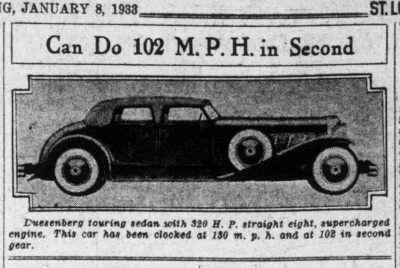
Mounted on a factory-supercharged SJ chassis, the car combined stunning aesthetics with exceptional performance. Its supercharged 420-cubic-inch dual-overhead-cam straight-eight engine produced approximately 320 horsepower, placing it among the fastest and most powerful automobiles of its day.
Originally finished in a striking silver paint scheme, the car debuted at the 1933 World's Fair, where it became one of the event's most celebrated automotive attractions.
Despite the publicity and admiration it received, the car failed to find an immediate buyer. Following the exposition, it was offered for sale at its full $20,000 asking price, but few individuals could justify such an extravagant purchase during the economic conditions of the era.
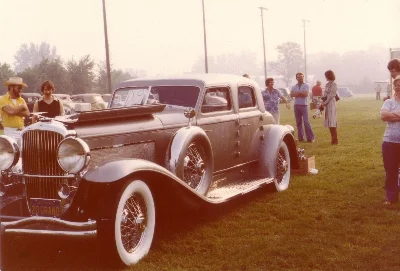
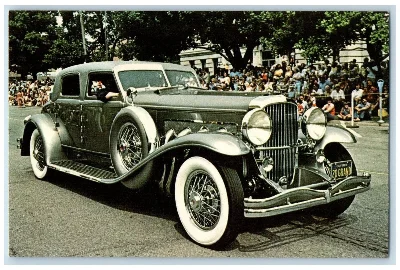
To improve its marketability, the Duesenberg was repainted black and updated with enclosed fenders, giving it a more contemporary appearance. It then returned to Chicago for display at the 1934 Century of Progress Exposition, where it again attracted attention but still struggled to find a purchaser.
The car was eventually acquired by Shreve M. Archer of Minneapolis, a senior figure at Archer Daniels Midland (ADM) and one of Duesenberg's most loyal customers.
Archer's purchase finally ended the car's career as a factory showpiece and began its life as a privately owned automobile. By then, "Twenty Grand" had already established itself as one of the most famous Duesenbergs ever built.
In the late 1970s, chassis 2539 was acquired by renowned collector J. B. Nethercutt, whose collection would become one of the most respected repositories of Classic Era automobiles.
Recognizing the importance of the car, Nethercutt commissioned a meticulous restoration to return it to its original 1933 World's Fair configuration. The later black paint and closed-fender treatment were removed, and the car was restored to its dramatic silver presentation.
The "Twenty Grand" Duesenberg stands as one of the greatest automotive design achievements of the twentieth century. Combining Buehrig's visionary styling, Rollston's masterful craftsmanship, and Duesenberg's unmatched engineering, it became the definitive symbol of American luxury during the Classic Era.
More than ninety years after its debut, chassis 2539 remains one of the most famous Duesenbergs ever built, a rolling work of art that continues to embody the glamour, optimism, and technical excellence of the Duesenberg marque.