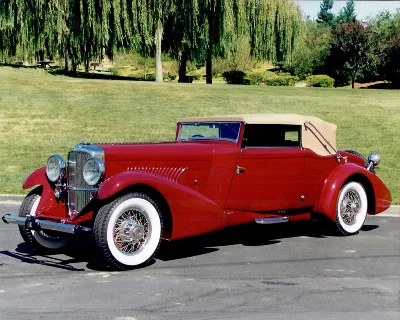
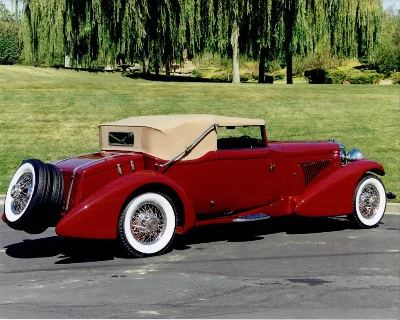
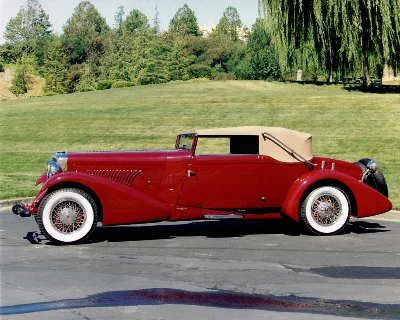
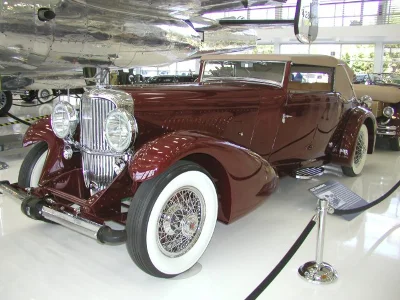
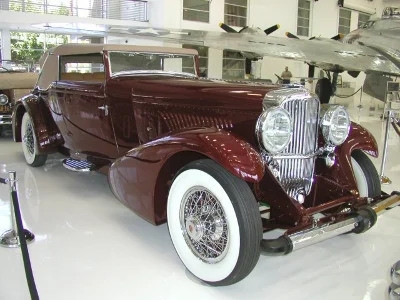
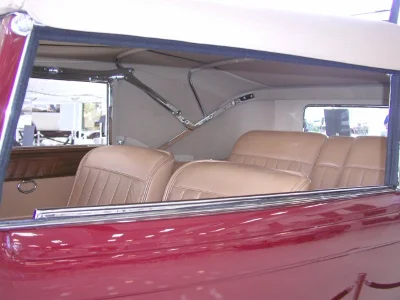
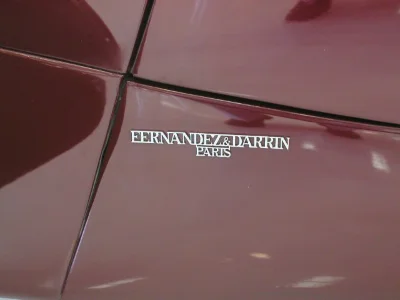
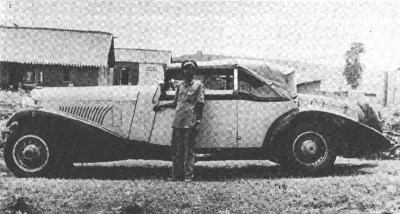
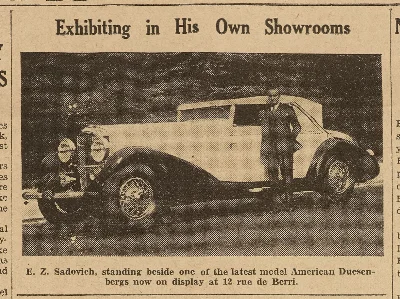
Duesenberg Model J chassis 2516, powered by engine J‑499, is one of the most elegant and internationally traveled Duesenbergs ever built. Bodied by the renowned Parisian firm Fernandez & Darrin, it combines American engineering excellence with some of the most advanced and sophisticated European styling of the early 1930s.
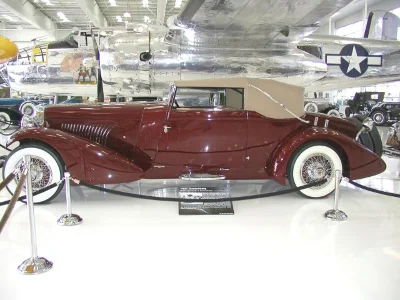
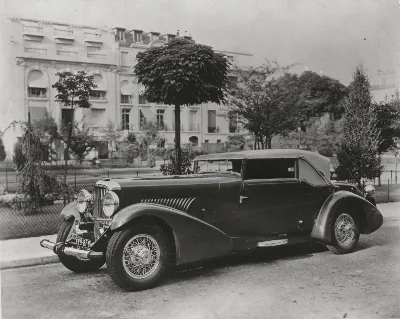
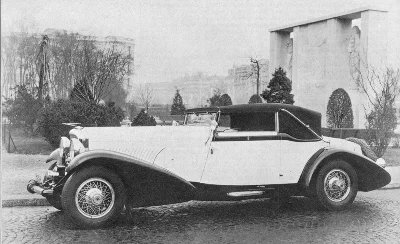
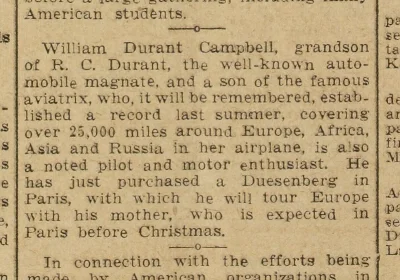
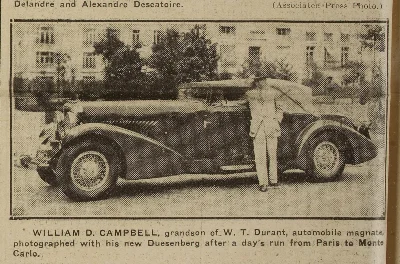
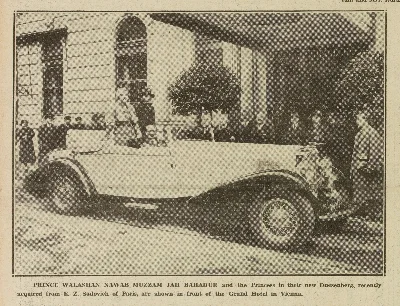
Originally completed in 1931 for William Durant Campbell of Paris, the car received a dramatic Convertible Victoria body designed by Howard “Dutch” Darrin during his partnership with Argentine financier Tomás Fernández. At a time when most luxury cars still featured upright proportions and prominent running boards, Darrin's design was remarkably modern, emphasizing sleekness, elegance, and motion.
Among the most distinctive features of chassis 2516 are:
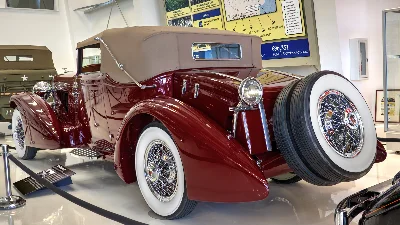
- Gracefully elongated pontoon-style fenders
- An exceptionally low-profile windshield
- The complete absence of running boards, a Darrin trademark
- Elegant pontoon-shaped step plates
- The imposing 153.5-inch long-wheelbase chassis
The result was one of the most striking coachbuilt Duesenbergs ever created. In fact, it is widely regarded as the largest Convertible Victoria ever built on a Duesenberg chassis.
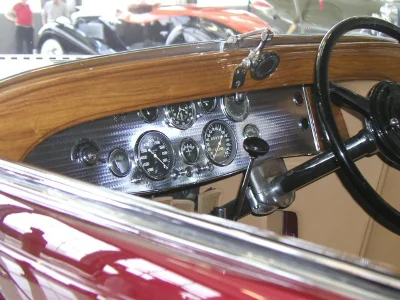
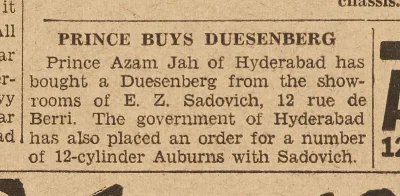
In 1938, the car entered royal service when it was acquired by Azam Jah, Prince of Berar, heir to the Nizam of Hyderabad, one of the wealthiest royal families in the world. To suit its new owner, the Duesenberg was converted from left-hand drive to right-hand drive, making it more practical for use in India.
The car remained associated with royalty after leaving Hyderabad, eventually passing into the ownership of the Royal Family of Nepal. These prestigious associations underscore the international reputation of the Duesenberg marque and the appeal of bespoke European coachwork among the world's elite.
After years in South Asia, chassis 2516 returned to the United States in 1961, escaping the fate of many other royal automobiles that disappeared from public view. Its survival allowed enthusiasts and historians to appreciate one of the finest collaborations between Duesenberg and a European coachbuilder.
Today, the car is recognized not only for its remarkable styling but also for its exceptional provenance, having passed through the hands of wealthy expatriates, Indian royalty, and the Nepalese royal family.
Duesenberg J‑2516 represents a remarkable fusion of American mechanical supremacy and French coachbuilding artistry. Its sweeping pontoon fenders, low-slung profile, and royal provenance place it among the most significant and glamorous Model Js ever built.
From the boulevards of Paris to the palaces of India and Nepal, and ultimately back to the United States, chassis 2516 has lived a truly international life, one befitting one of the world's greatest automobiles.