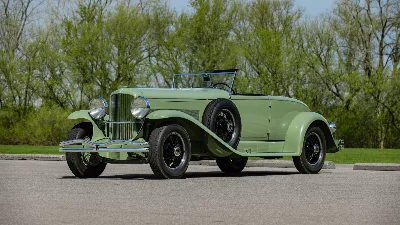
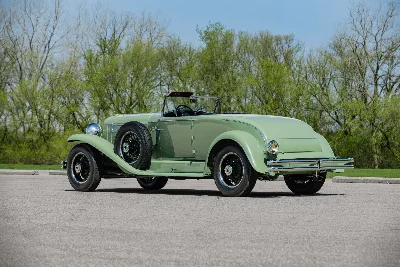
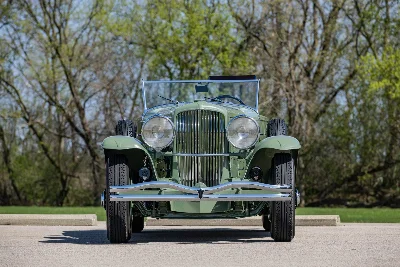
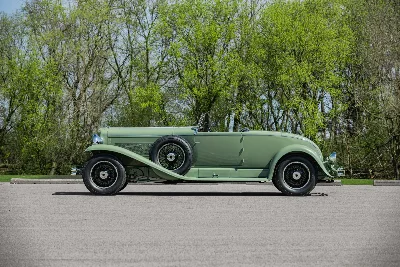
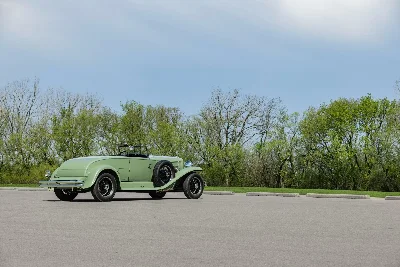
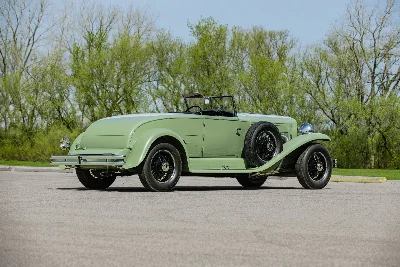
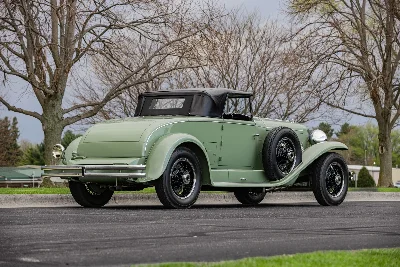
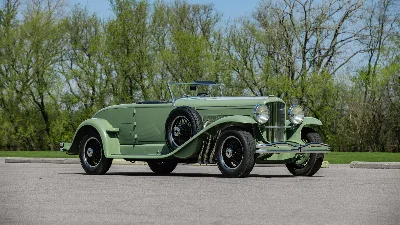
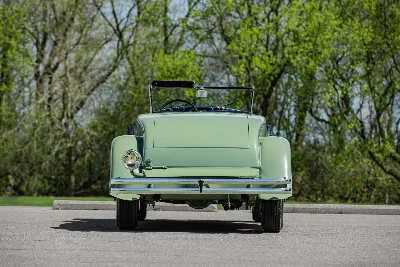
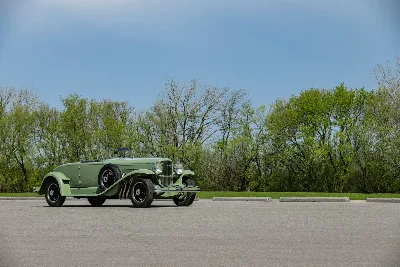
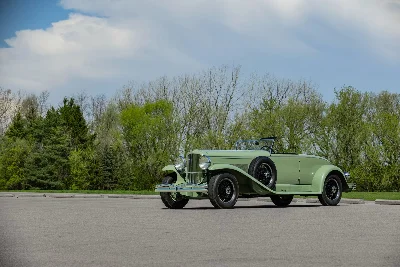
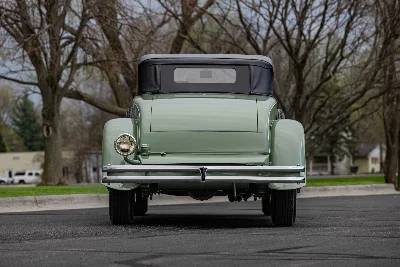
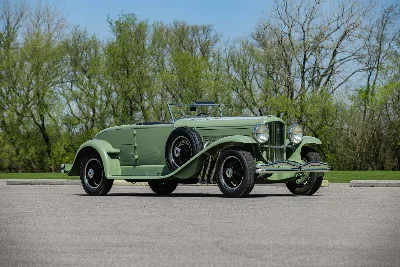
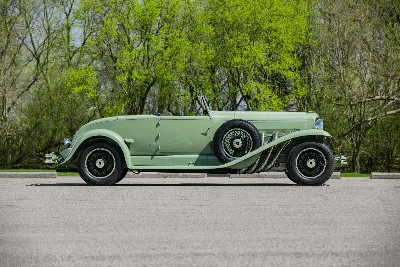
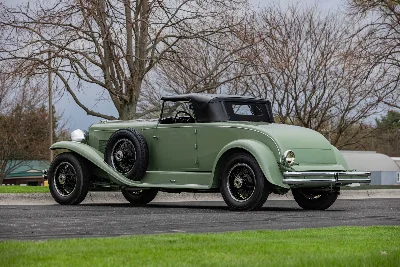
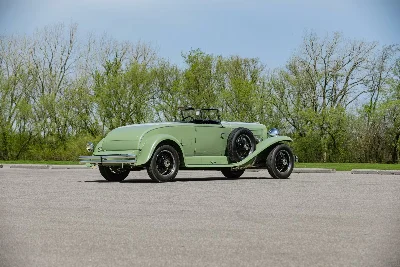
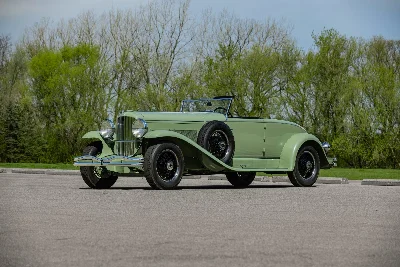
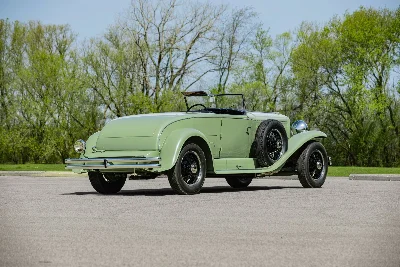
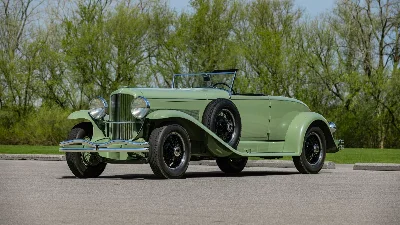
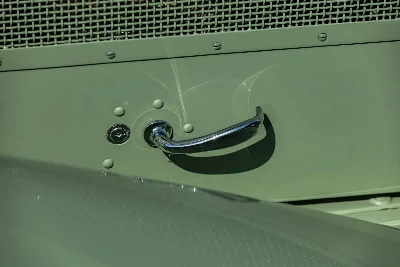
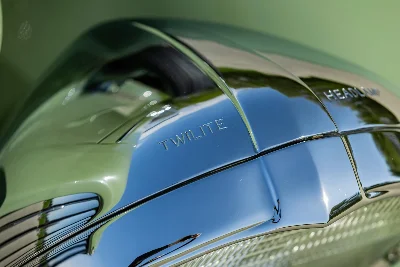
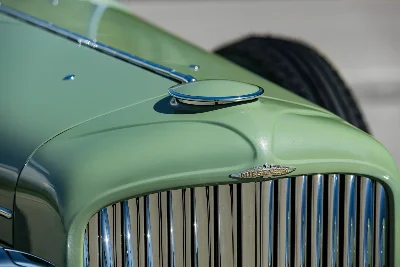
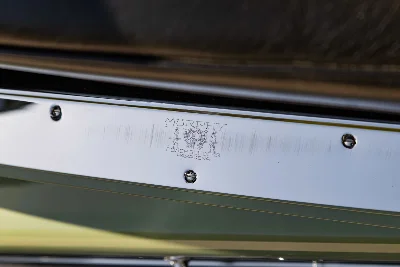
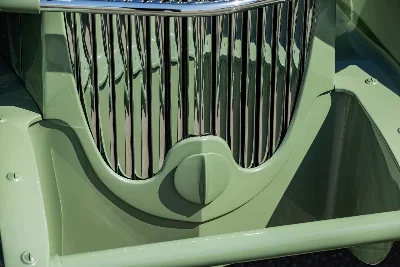
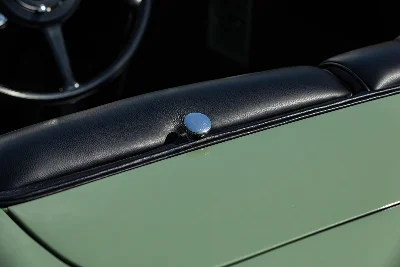
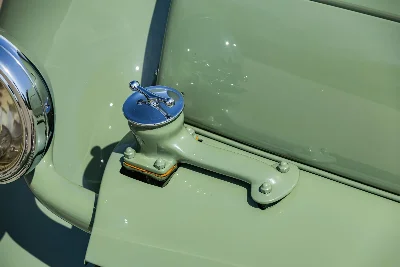
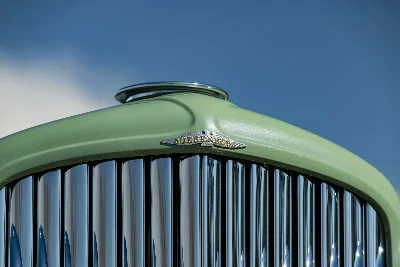
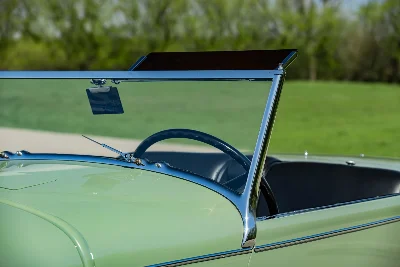
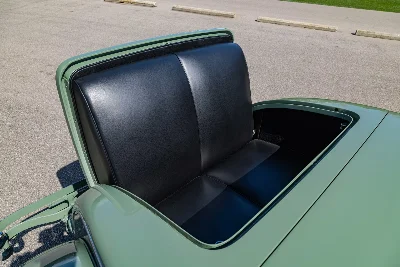
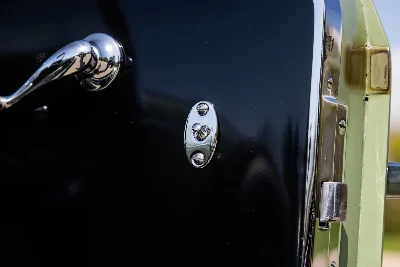
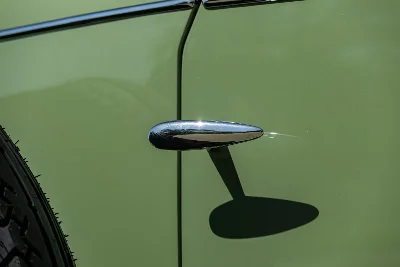
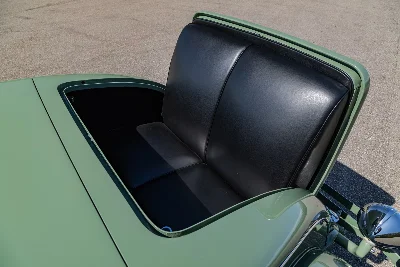
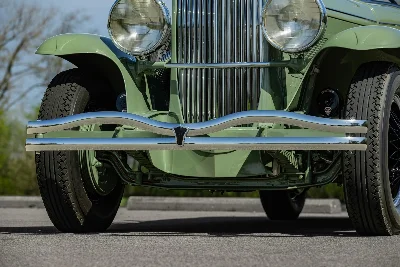
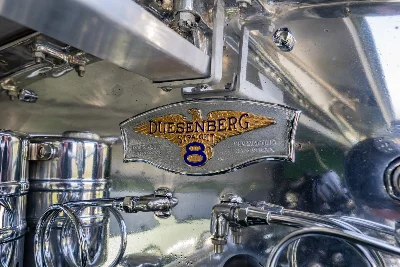
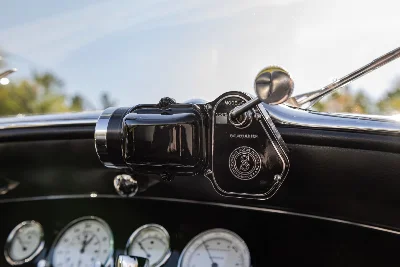
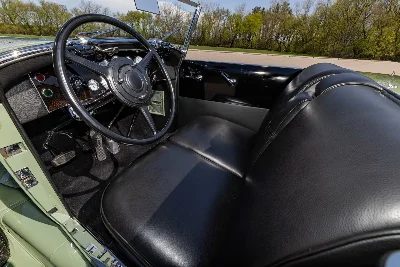
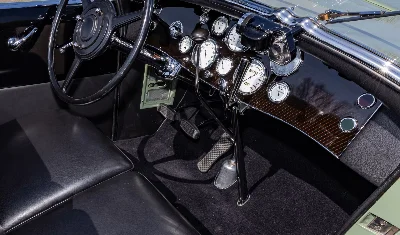
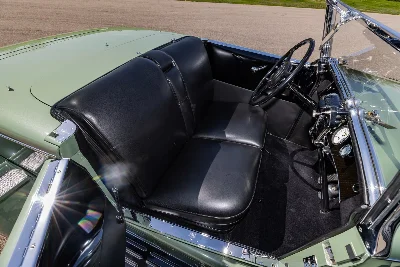
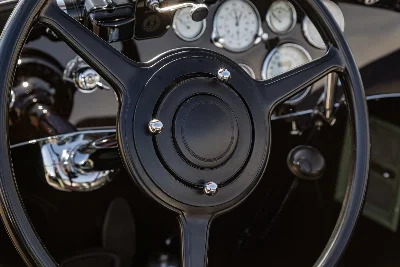
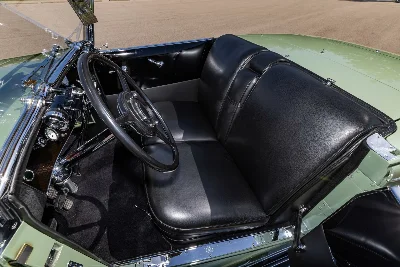
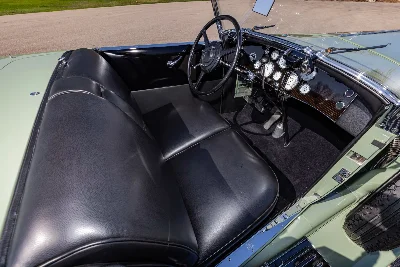
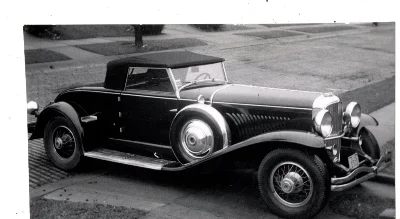
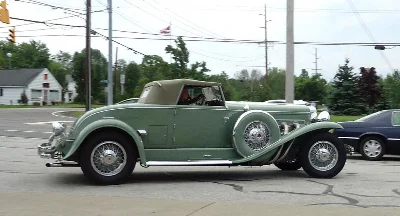
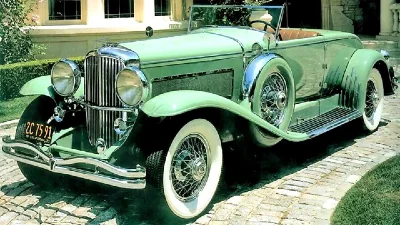
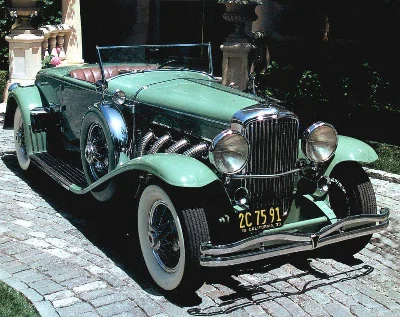
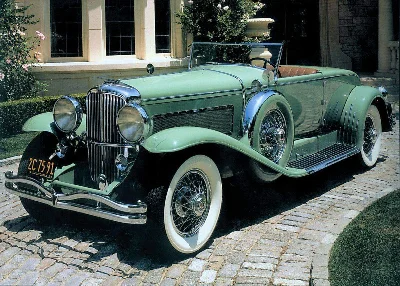
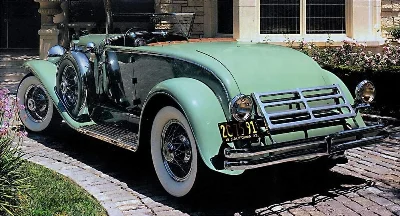
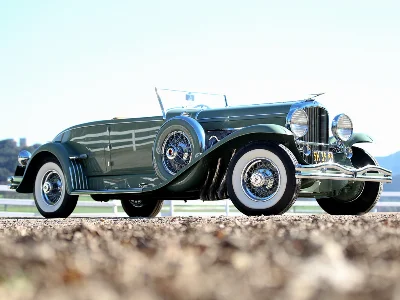
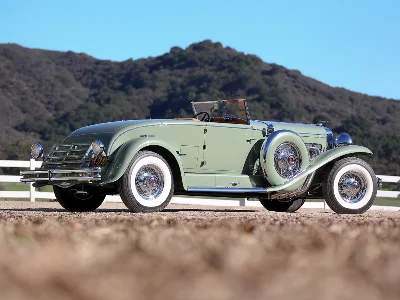
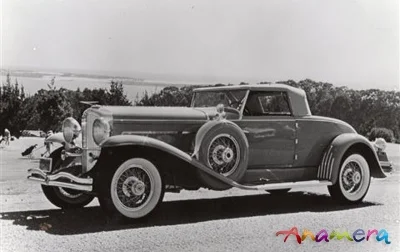
Among the most celebrated bodies fitted to the Model J chassis were those built by the Walter M. Murphy Company of Pasadena, California. Murphy’s designs were known for their elegance and innovation, particularly the iconic “Disappearing Top” Convertible Coupe. Developed from earlier concepts by George R. Fredricks and Charles Gerry, this design allowed the soft top to fold completely away beneath a flush-fitting metal cover, creating a smooth, uninterrupted profile. Combined with Murphy’s slim “Clear Vision” windshield pillars and disappearing side windows, the result was a car that looked as sleek as a true roadster while maintaining full touring capability.
Unlike the more common convertible coupes, the Disappearing Top versions were fully custom-built, identifiable by their 900-series body numbers, and produced in very limited numbers. Their rarity and striking appearance have made them among the most desirable of all Duesenberg body styles.
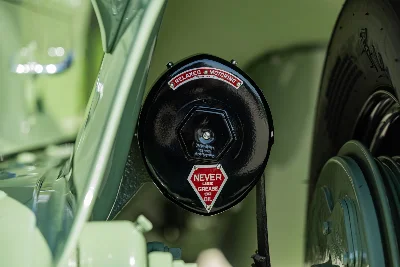
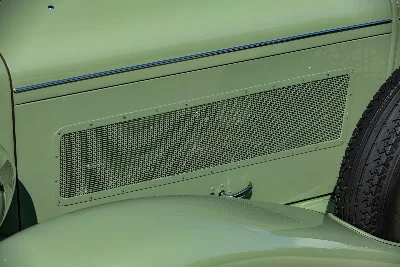
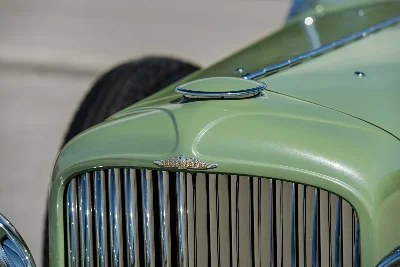
Chassis 2446 represents one of these exceptional cars. Completed on December 30, 1930, the chassis was delivered to Murphy, where it received its Disappearing Top Convertible Coupe body, body number 913. It is believed to be one of the final Model Js bodied by Murphy before the company closed in 1932.
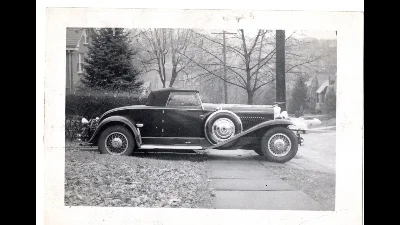
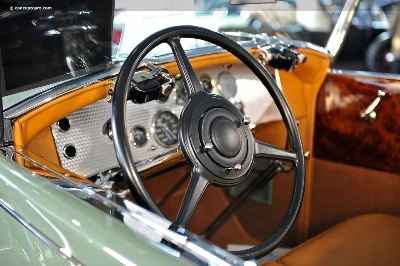
By the late 1940s, the car was owned by a Hartford, Connecticut attorney, and during this period it was fitted with external SJ-style exhaust pipes, reflecting the era’s fascination with the more powerful supercharged models.
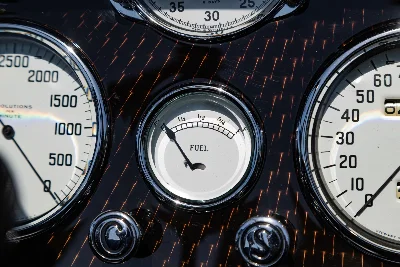
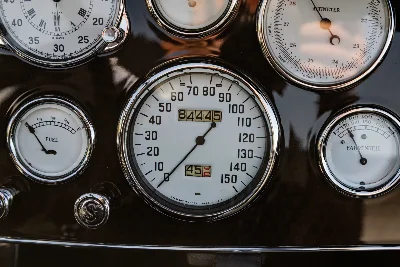
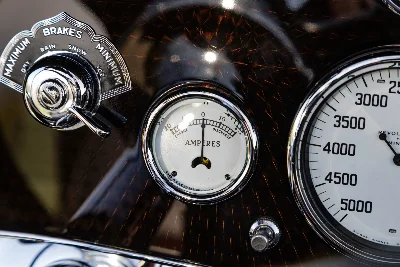
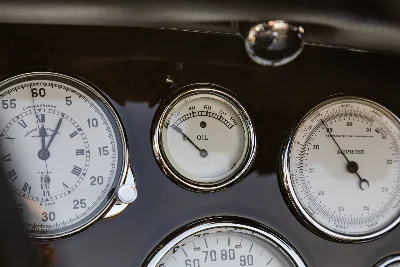
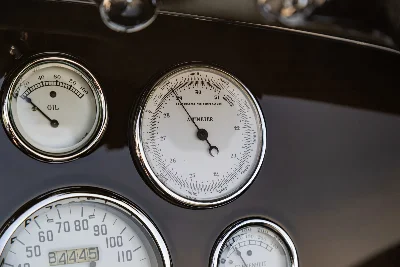
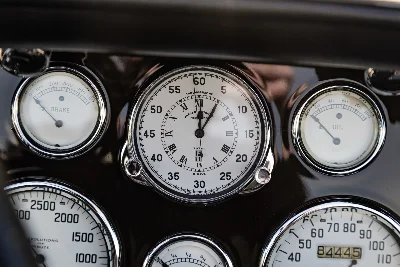
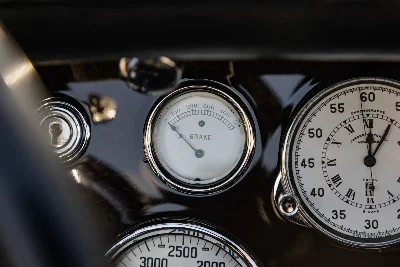
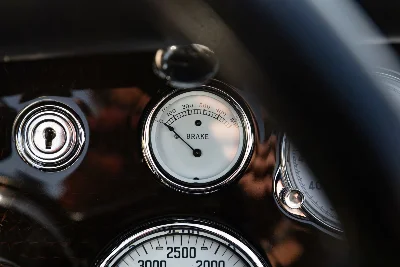
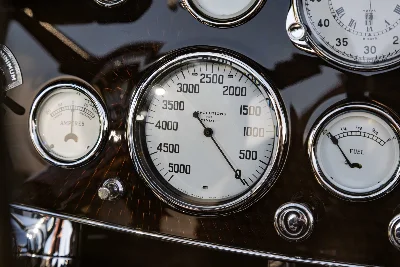
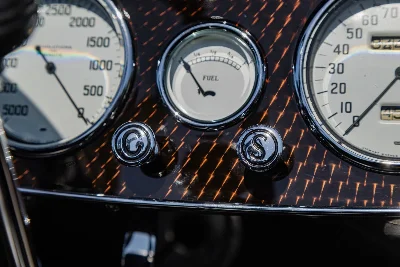
The car was sold in May 1948 by dealer Russell G. Sceli to David S. Bloom, then a student at MIT, and shortly afterward, in June 1949, to Charles Allen. Allen made further changes, including the installation of sweep-hand instruments, but after encountering mechanical issues, he placed the car into storage in Pennsylvania, where it remained until 1961.
That year, the Duesenberg was acquired by Bob Estes of Los Angeles for $5,500. Estes was a prominent figure in American motorsports, known as a race car owner, engineer, and founder of a successful Lincoln-Mercury dealership. His involvement in racing, from sprint cars to Indianapolis 500 entries, made him a significant figure in the mid‑century automotive world. Under his ownership, the car re-entered active use and became part of a remarkable personal collection.
Following Estes’ passing in 2001, the car entered a series of prestigious collections. It was first acquired by John Groendyke, then sold to Dave Kane, and in 2003 to Ray Scherr, who commissioned its first comprehensive restoration. The car later passed to Craig McCaw, who appreciated its originality and preserved it accordingly.
Under current ownership, the car has received extensive mechanical attention from Tim Purrier of Straight Eight in Troy, Michigan, ensuring that it remains in excellent running condition. Maintained regularly and exercised on the road, it has retained both its usability and authenticity. Notably, despite its quality, it has not recently been shown at major concours events, offering significant potential for future exhibition.
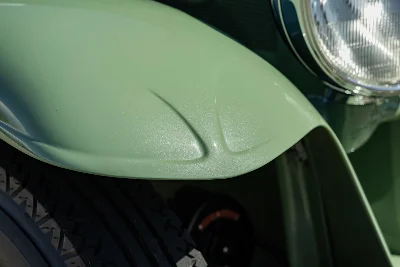
Today, chassis 2446 stands as one of the finest surviving examples of a Murphy Disappearing Top Convertible Coupe. With its late-production Murphy body, documented history, and strong originality, it represents the pinnacle of Model J design. Combining rarity, elegance, and engineering brilliance, it remains a compelling example of why the Duesenberg continues to be regarded as the greatest American automobile of the Classic Era.