Duesenberg Model J chassis 2422, powered by engine J‑393, presents a fascinating and evolving history, reflecting both the adaptability of the Model J platform and its enduring appeal among prominent owners and the film industry.
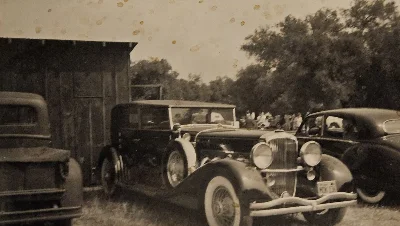
When first completed, chassis 2422 was fitted with coachwork by LaGrande, Duesenberg’s in-house body brand, in the form of an elegant Dual Cowl Phaeton mounted on the desirable long wheelbase chassis. This open and sporting configuration exemplified the early styling direction of the Model J, combining luxury with performance.
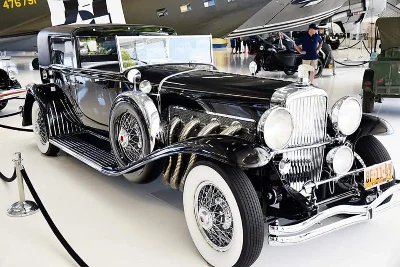
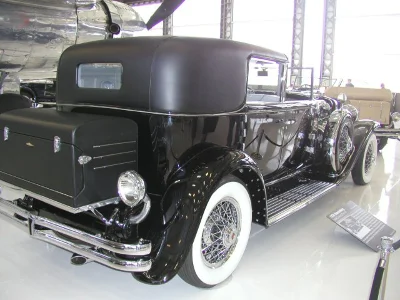
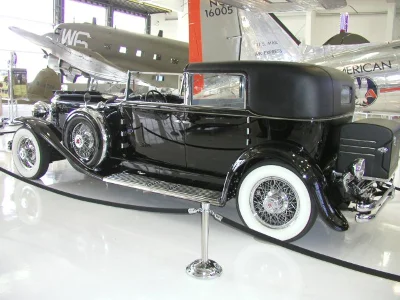
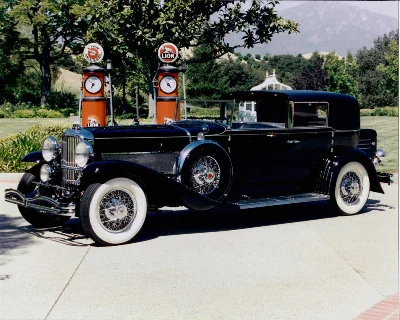
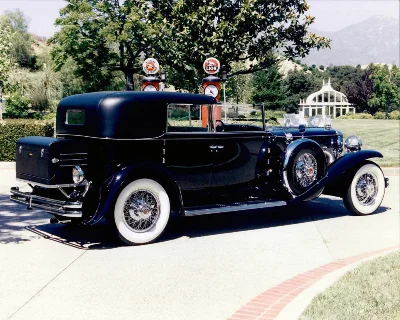
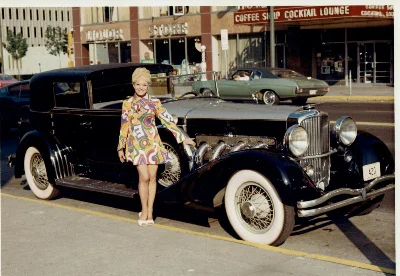
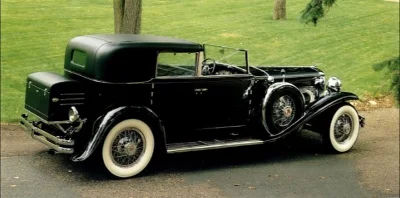
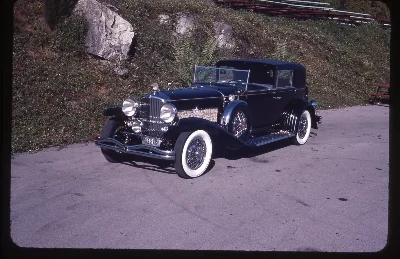
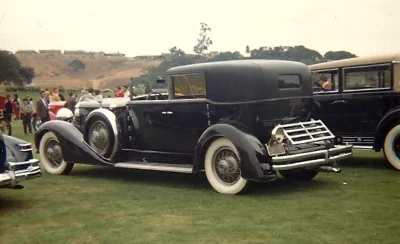
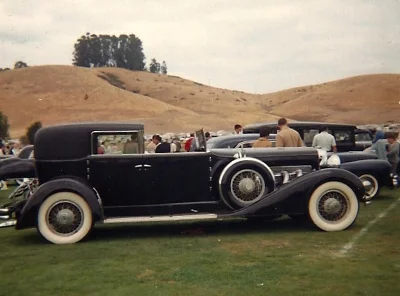
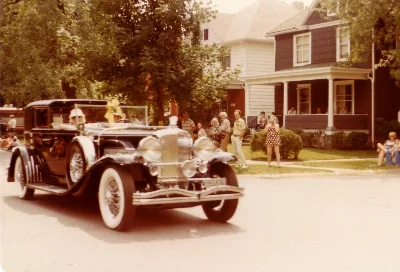
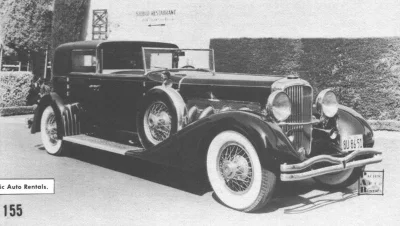
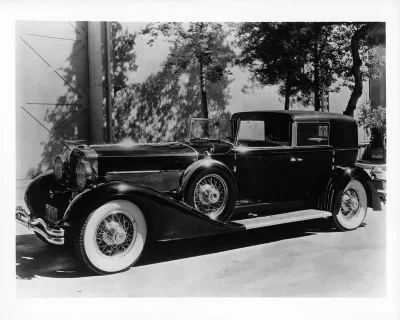
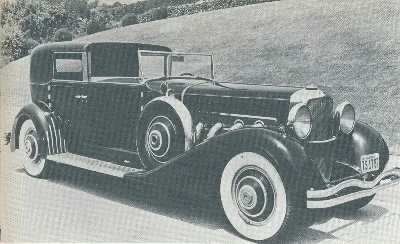
At a later stage in its life, the car was significantly transformed, receiving its current Town Car body by the Walter M. Murphy Company of Pasadena, California. This change marked a complete shift in character, from a sporting open phaeton to a formal, chauffeur-driven motorcar.
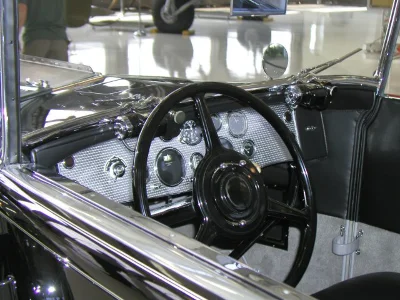
The Murphy body is finished in a distinctive Art Deco-inspired design, reflecting the stylistic influences of the 1930s. True to Murphy’s design philosophy, the coachwork combines elegance with modernity, featuring refined proportions, clean lines, and high-quality craftsmanship. The result is a Town Car that balances dignity with visual sophistication.
One of the most notable chapters in the car’s history is its ownership by Dolores del Río, one of Hollywood’s most celebrated film stars of the era. A prominent figure in both American and Mexican cinema, del Río was known for her elegance and international appeal. She was married to Cedric Gibbons, the legendary art director of MGM and the original designer of the Academy Awards (Oscar) statuette, who was himself a known Duesenberg owner. Their association with the car further enhances its already strong artistic and cinematic connections.
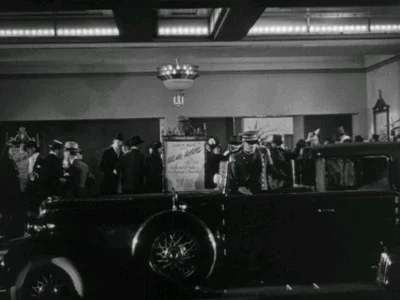
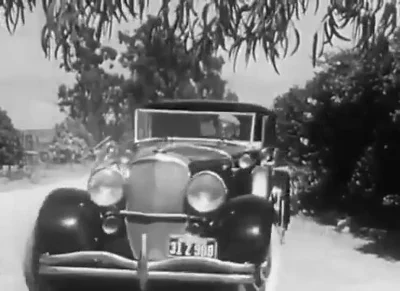
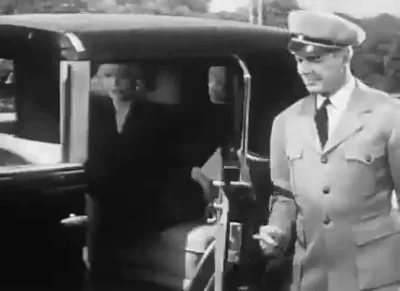
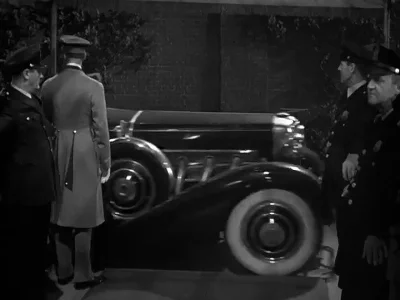
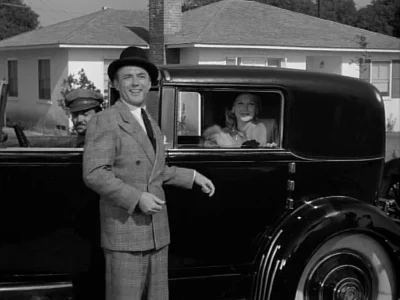
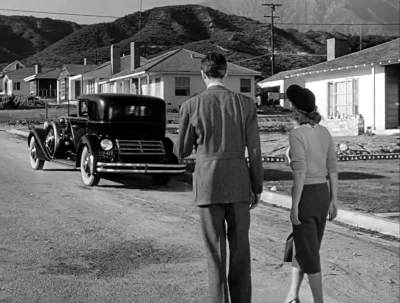
During this period, the Duesenberg was frequently rented to motion picture studios, becoming part of Hollywood’s golden-age visual landscape.
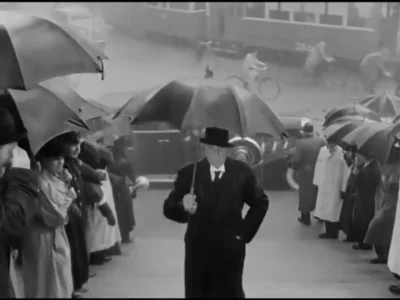
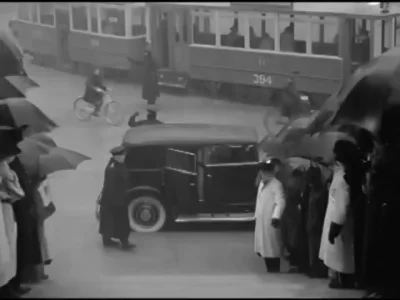
Its most notable screen appearance came in 1946, when it was featured in the classic film It’s a Wonderful Life, starring James Stewart. This appearance places the car firmly within the cultural fabric of American cinema.
Duesenberg 2422 is a compelling example of how these great automobiles could evolve over time, both in form and function, while remaining deeply connected to the cultural and artistic worlds of their owners. From its origins as a sporting phaeton to its later life as a refined Murphy Town Car, and from private ownership to Hollywood film sets, this Duesenberg embodies the versatility, prestige, and timeless allure of the Model J.