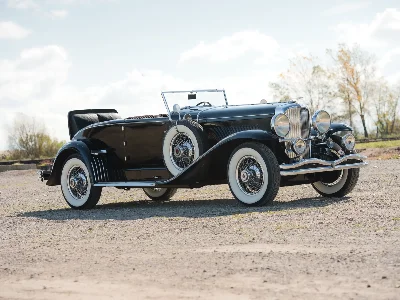
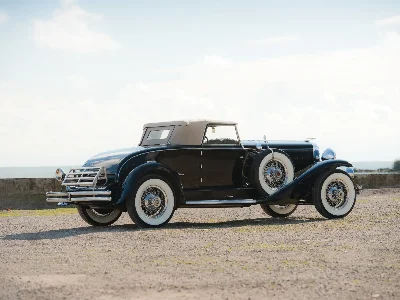
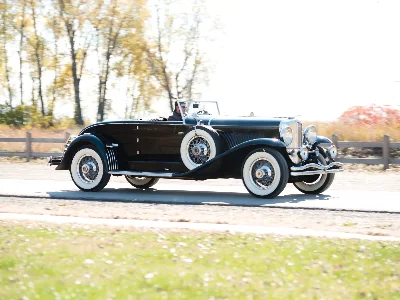
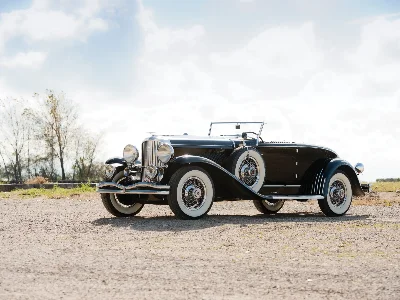
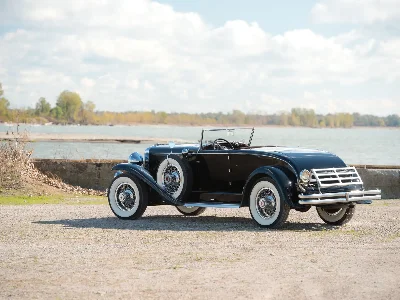
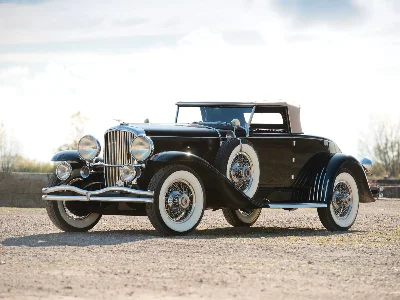
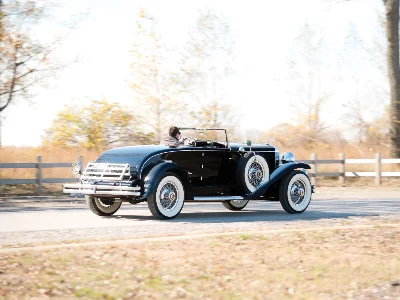
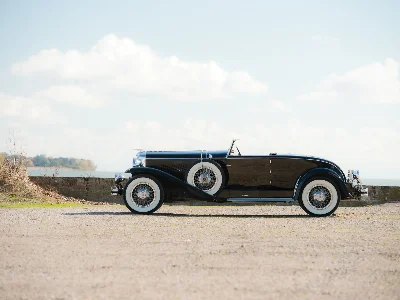
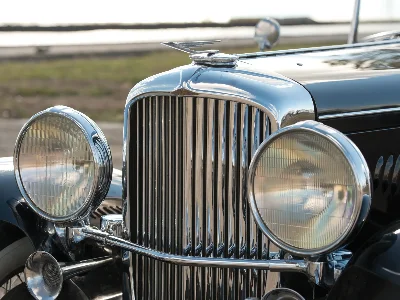
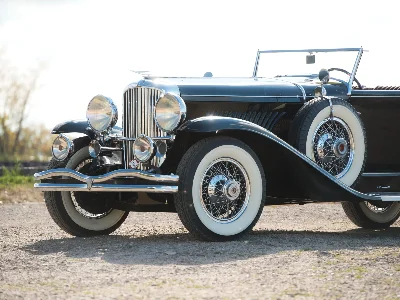
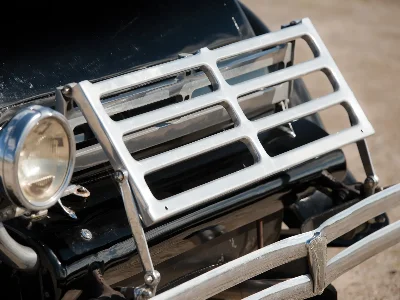
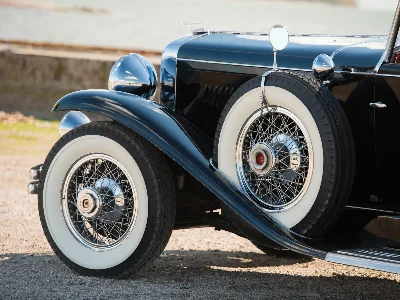
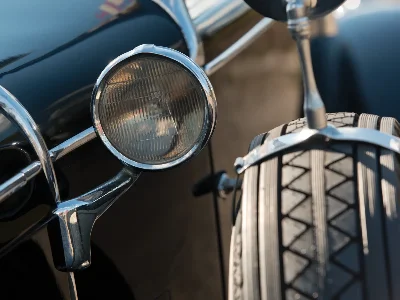
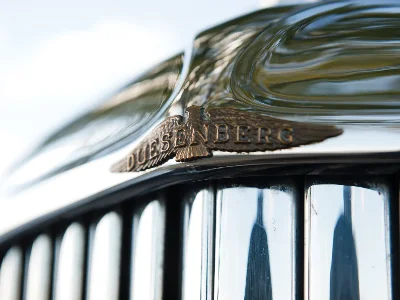
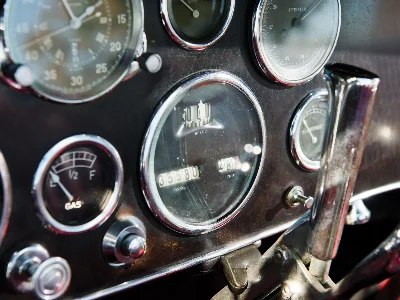
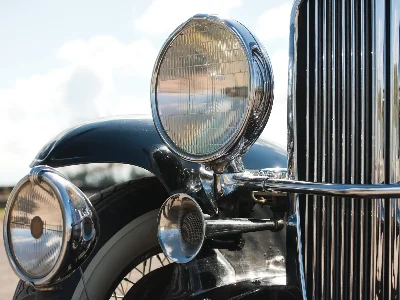
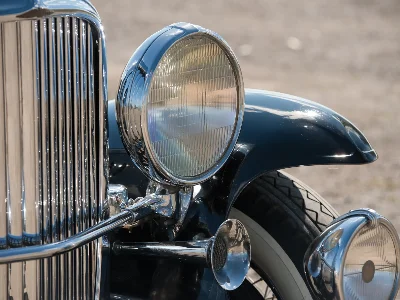
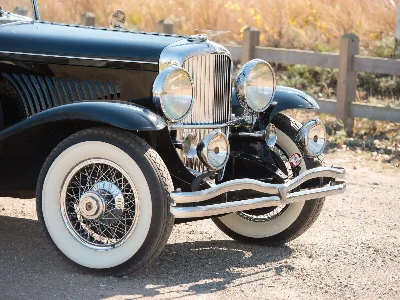
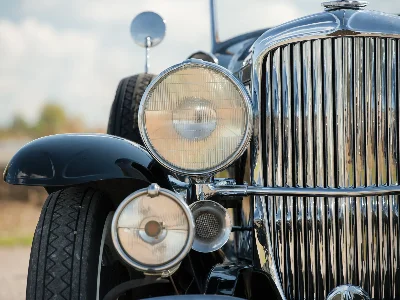
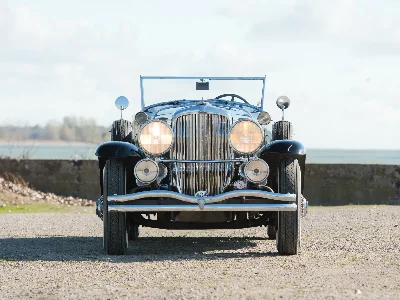
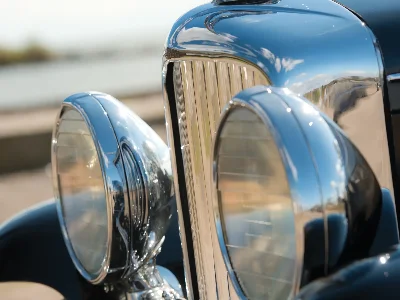
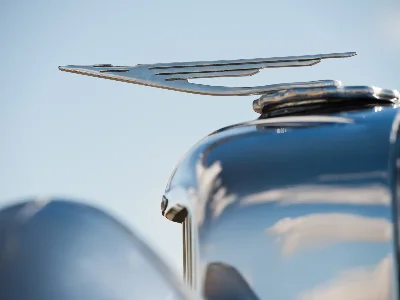
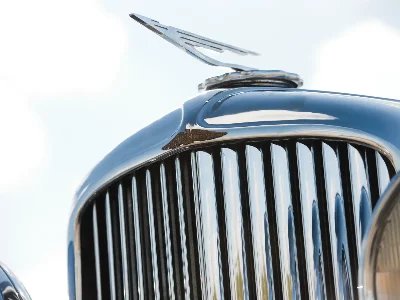
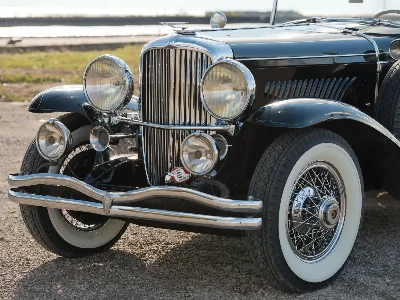
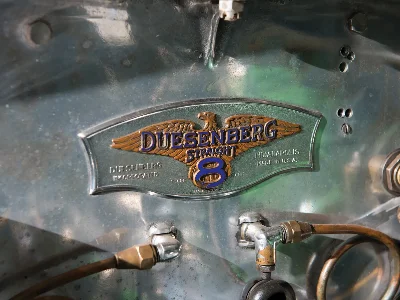
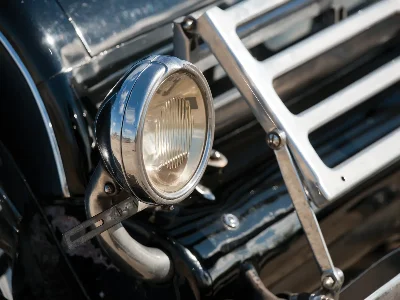
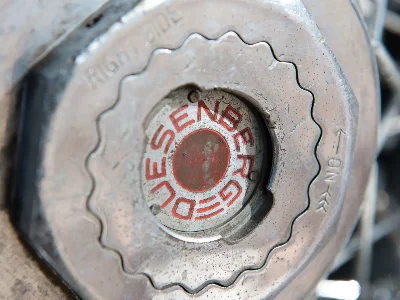
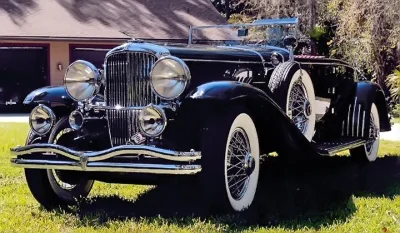
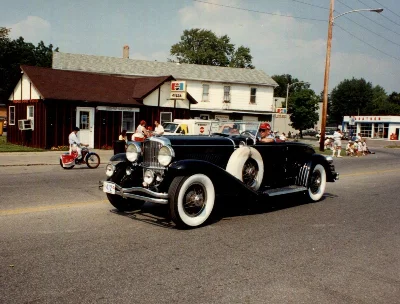
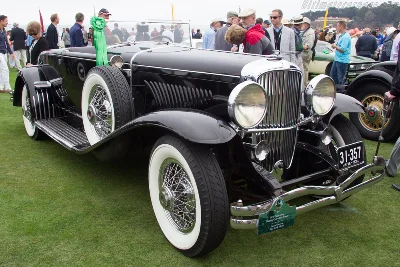
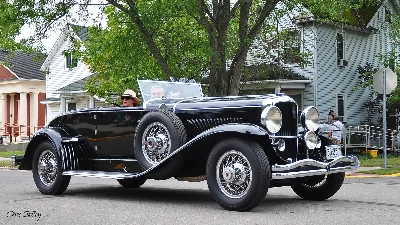
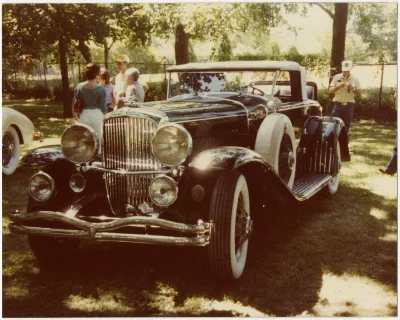
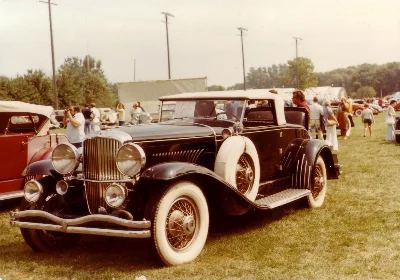
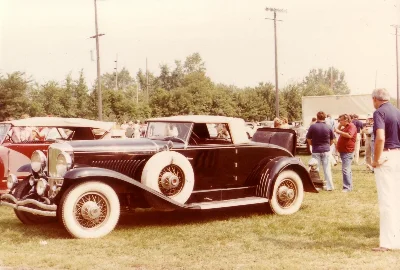
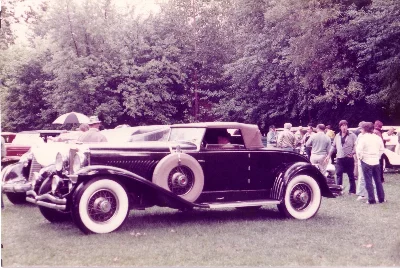
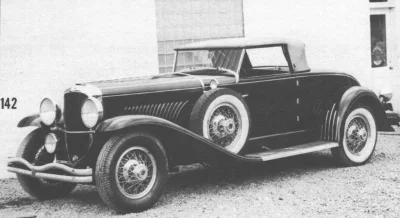
This 1930 Duesenberg Model J, chassis 2388 with engine J‑357, is one of the most remarkable surviving examples of a Murphy “Disappearing Top” Convertible Coupe, a body style widely regarded as the ultimate expression of the Model J’s sporting elegance.
Not only does this car retain its original chassis, engine, and body, but it has also led an extraordinarily authentic life, having been continuously owned, driven, and maintained for over 80 years with just 30,000 original miles. Known affectionately as “Melvin’s Murphy,” it is a rare and celebrated survivor that has never lost its identity as a true driver’s car.
The car was ordered in 1930 by Doran Hinchman, a wealthy lumberman from Logan, West Virginia, a booming center of coal and business activity at the time. Hinchman placed his order through Bruce Perry Motors in Huntington, selecting the Murphy Convertible Coupe with the desirable disappearing top option, a feature that added both cost and prestige to an already striking design.
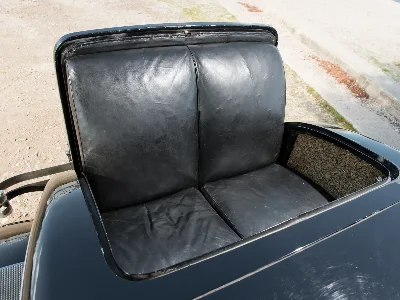
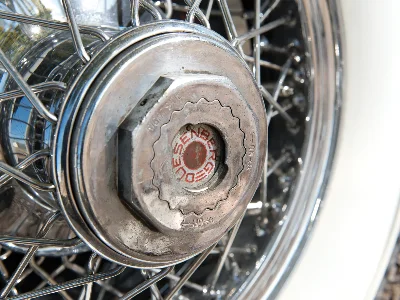
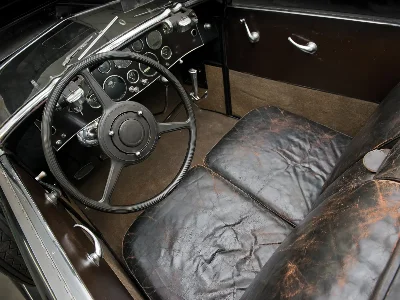
The Murphy body was finished in a subtle black color scheme, complemented by chrome wire wheels, a tan canvas top, and a black leather interior. Eager to take delivery, Hinchman traveled to the Duesenberg factory in Indianapolis and personally drove the car back to his home.
For the next 16 years, the Duesenberg was regularly driven in and around Logan, often at remarkable speeds on winding mountain roads. Hinchman clearly treasured the car; even after selling it in 1946, he later wrote:
“I shall never regret having purchased the Duesenberg… it was simply outstanding in a class all its own.”
In 1946, the car was acquired by Melvin Clemans, a West Virginia attorney and devoted Duesenberg enthusiast. Clemans would become the car’s most iconic caretaker, owning it for over half a century and establishing its legendary nickname: “Melvin’s Murphy.”
Unlike many collectors, Clemans viewed Duesenbergs not as artifacts, but as machines to be driven and enjoyed. He used the car regularly, accumulating mileage steadily while maintaining it in excellent mechanical condition. By 1952, the car had logged just 11,000 miles, reflecting both use and care.
Clemans famously drove the car to numerous Auburn Cord Duesenberg Club National Reunions, often bringing a second Duesenberg along for a friend, while always choosing the Murphy for himself. Stories of his journeys became legendary, including trips made with a case of beer riding alongside him in the passenger seat.
What made the car truly special was its remarkable originality. It was never subjected to a full restoration, only careful maintenance.
Even decades later, it retained:
- Original paint (largely intact)
- Original brightwork
- Original wood structure
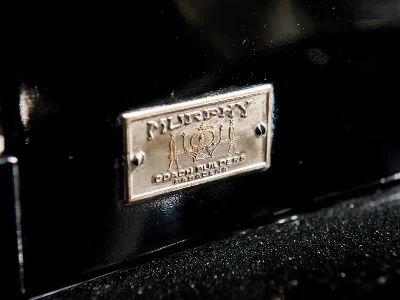
- Visible Murphy body stampings
To many enthusiasts, Clemans represented a living link to the original era of Duesenberg ownership.
In 1998, Clemans entrusted the car to his friend Harry Van Iderstine, an engineer and Duesenberg enthusiast, who became only the third owner from new.
Recognizing the car’s condition, Van Iderstine undertook a mechanical rebuild and light cosmetic preservation, carefully avoiding unnecessary restoration. His goal was clear: retain originality while ensuring drivability.
The result was a car that:
- Maintained its historic integrity
- Continued to be driven regularly
- Surpassed 30,000 miles, still remarkably low
Even after relocating to Florida, Van Iderstine continued to use the car enthusiastically, including returning it to Auburn for the 2010 “Year of the Duesenberg” celebration.
Chassis 2388 received ACD Club Category One Certification in 1983, confirming the presence of its:
- Original chassis
- Firewall
- Engine
- Coachwork
In more recent years, the car has undergone mechanical sorting by RM Auto Restoration, ensuring it remains fully roadworthy and ready for continued use.
Chassis 2388 with engine J‑357 is not simply a well-preserved Duesenberg, it is a living artifact of the Model J’s original purpose. While many examples have been restored to perfection, this car represents something rarer: authentic continuity.
From its spirited first owner, to decades of enthusiastic use by Melvin Clemans, to careful preservation by dedicated collectors, it has remained exactly what Fred Duesenberg intended:
A powerful, elegant automobile meant to be driven.
And that is precisely what makes it one of the most important Duesenbergs in existence.