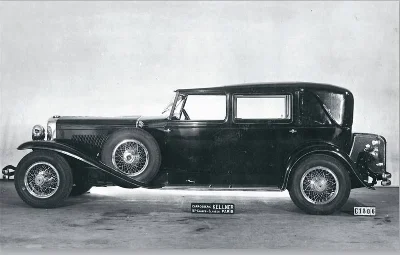
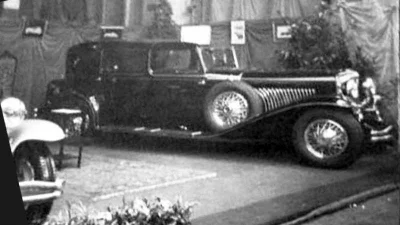
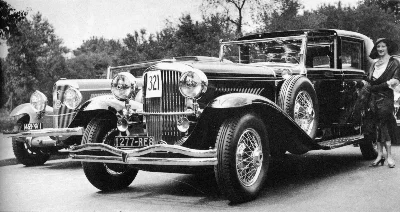
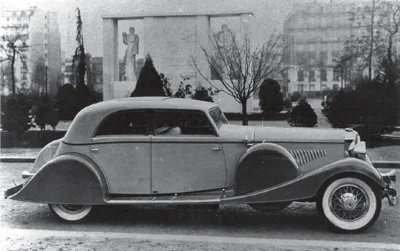
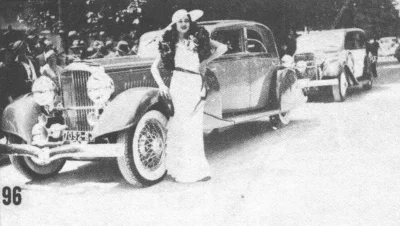
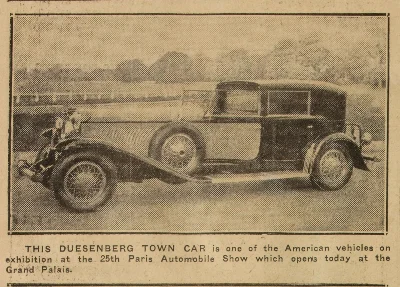
Duesenberg Model J chassis 2385 was originally fitted with a formal Kellner Town Car body, built by the prestigious Parisian coachbuilder known for its refined and traditional designs. In this configuration, the car was presented at the Paris Motor Show in October 1930, where Duesenberg sought to strengthen its presence in the European luxury market.
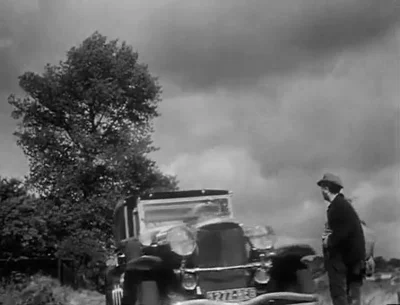
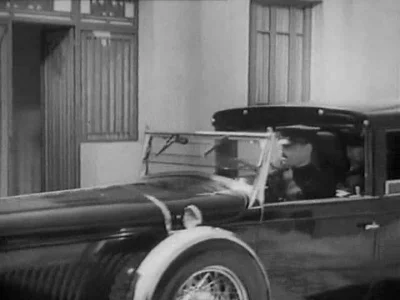
During this early period, chassis 2385 also made a cultural appearance, being featured in the French film À nous la liberté (1931), a notable connection that highlights the car’s visibility and appeal beyond the automotive world.
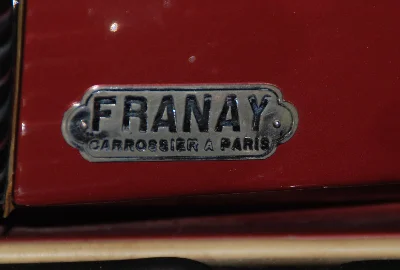
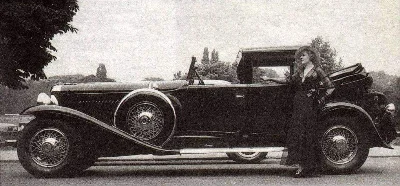
Despite its elegant presentation and public exposure, the car failed to find a buyer. In an effort to increase its appeal, the original Kellner body was removed approximately a year later and replaced with a new Town Car body by Franay, another highly respected French coachbuilder. This revised version was again exhibited at the Paris Motor Show in 1931, yet once more, the car remained unsold.
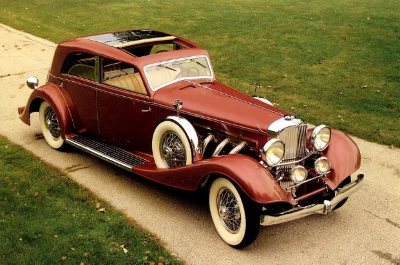
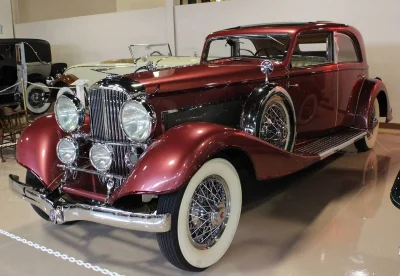
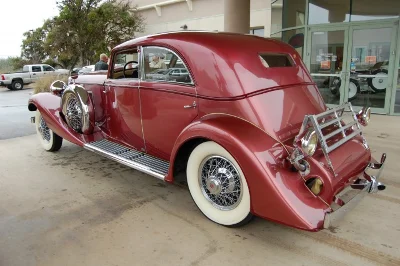
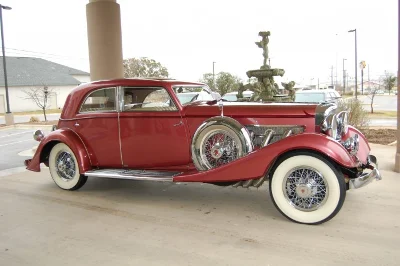
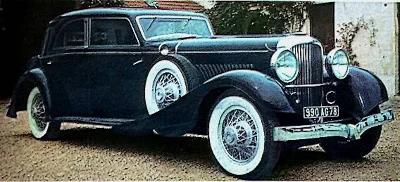
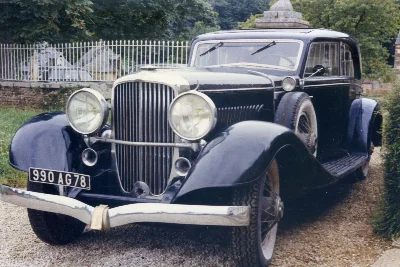
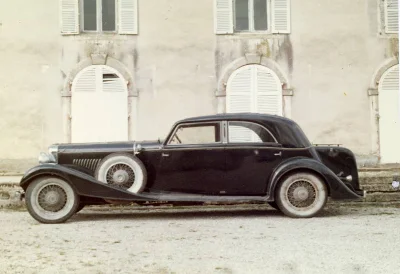
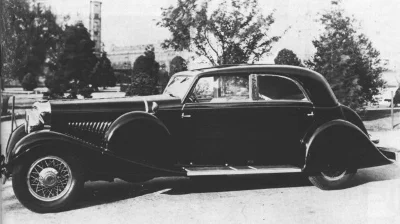
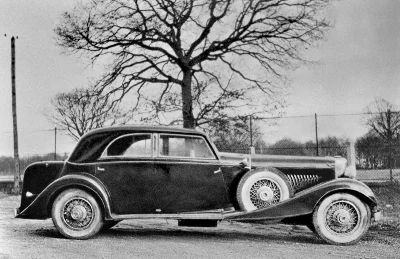
Continuing attempts to adapt the chassis to changing tastes, the car underwent a third transformation in 1934, when it received a Franay Berline body. This more enclosed and practical configuration offered a different interpretation of luxury, combining elegance with increased comfort and usability.
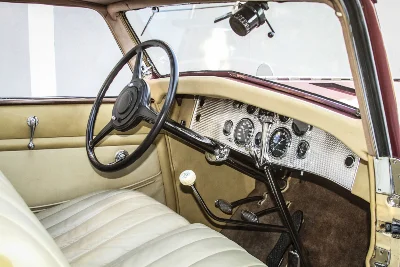
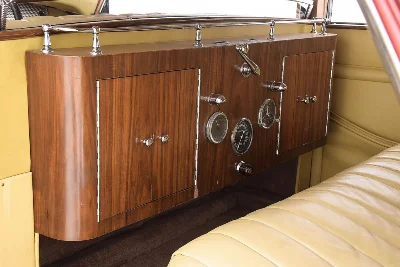
The final Franay coachwork incorporated several refined features, including a divider partition between the driver and passenger compartments, reinforcing its chauffeur-driven character, as well as a sunroof over the front seats, providing light and ventilation for the driver, an uncommon but thoughtful detail.
Today, chassis 2385 stands as a fascinating example of how Duesenberg automobiles were continually reimagined in response to market demands, particularly in Europe. Its multiple coachbuilders, repeated appearances at the Paris Salon, and cinematic connection make it a uniquely cosmopolitan and historically rich Model J.