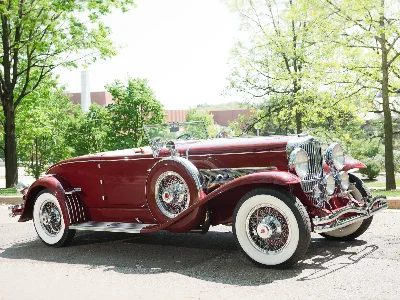
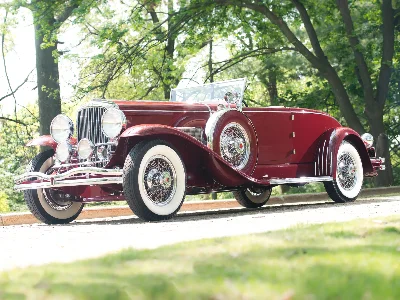
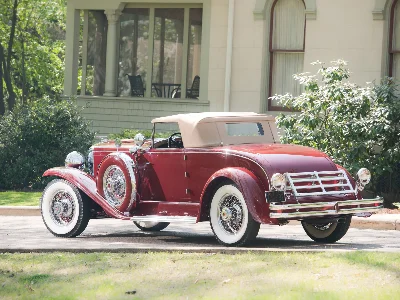
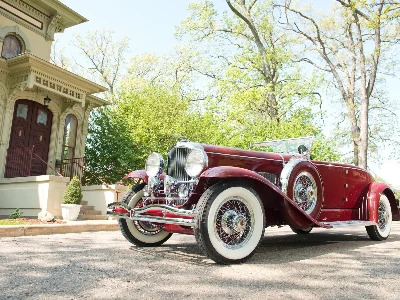
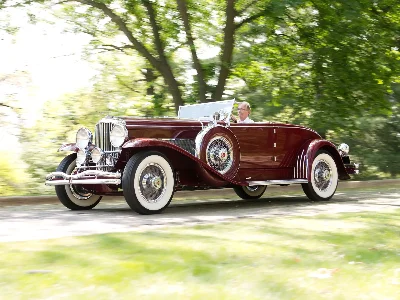
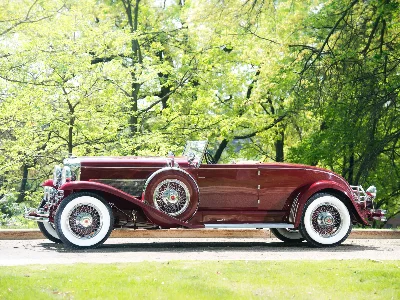
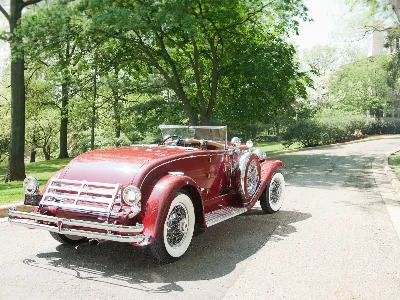
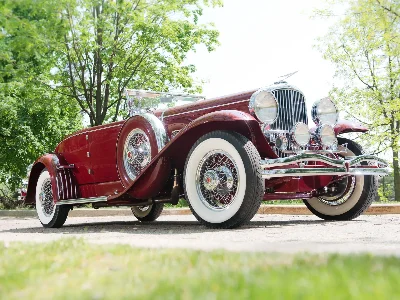
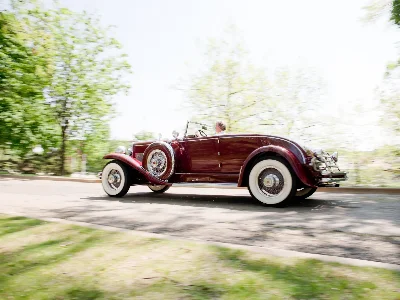
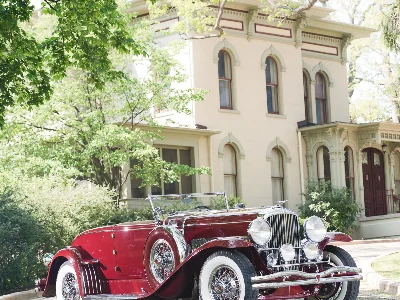
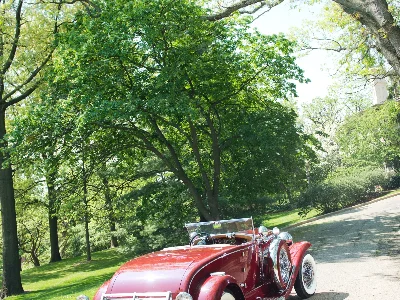
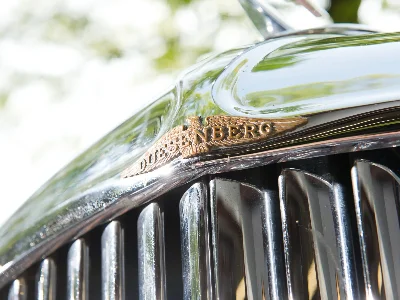
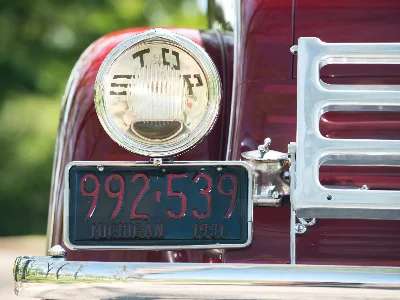
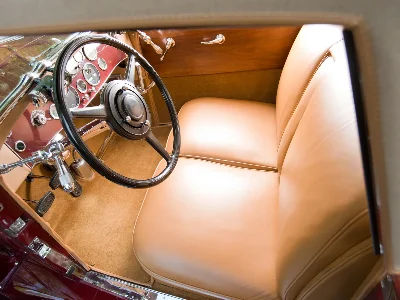
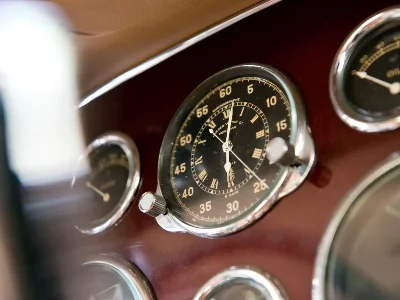
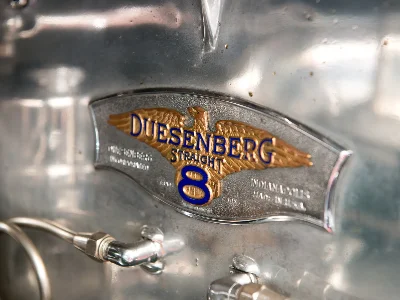
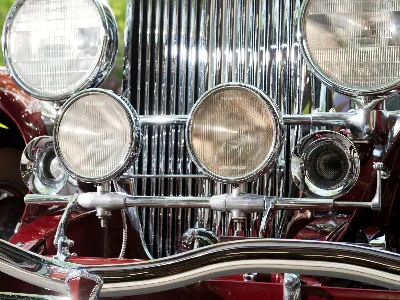
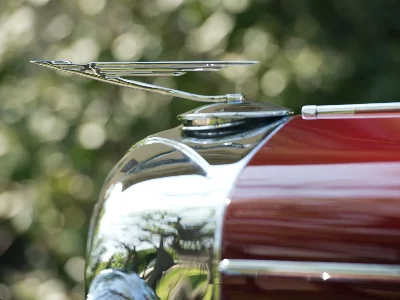
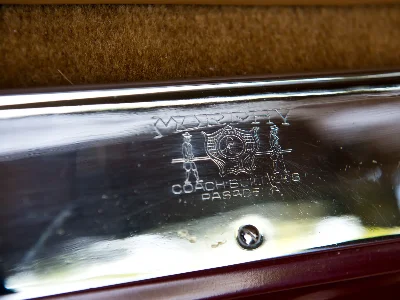
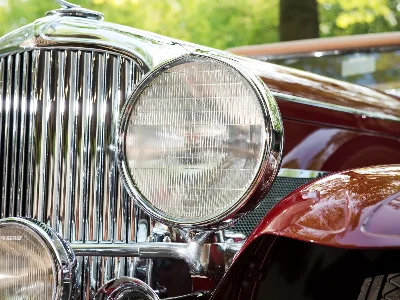
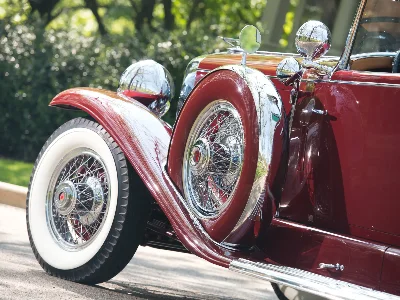
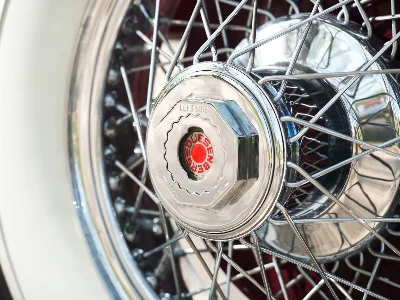
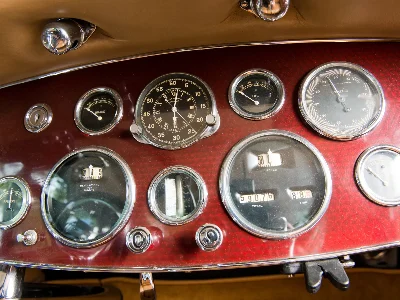
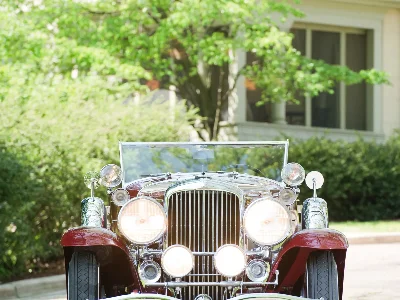
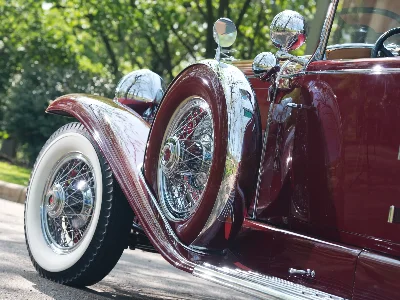
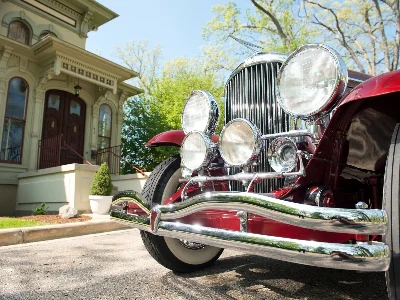
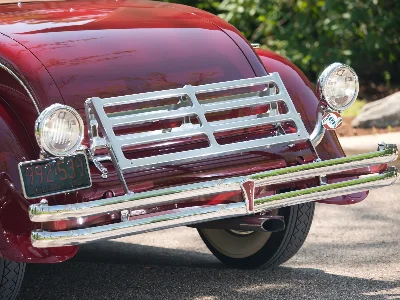
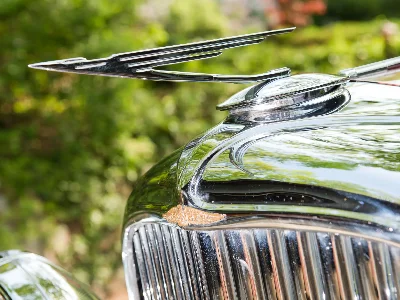
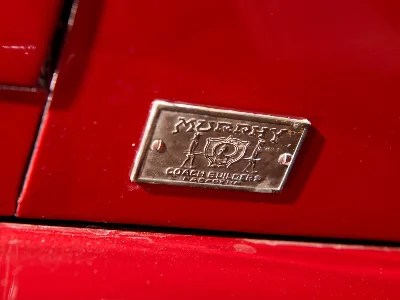
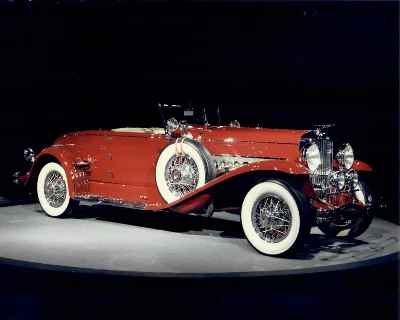
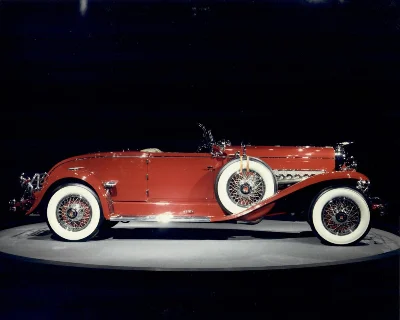
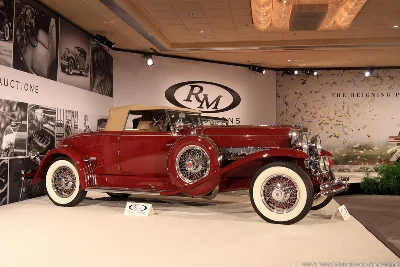
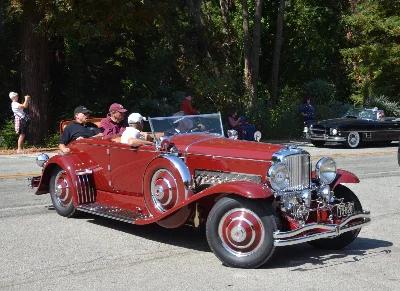
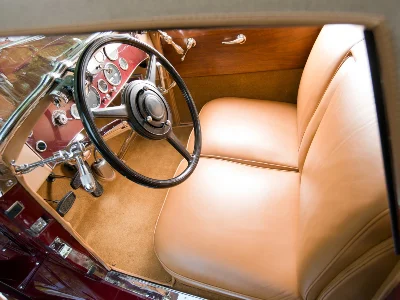
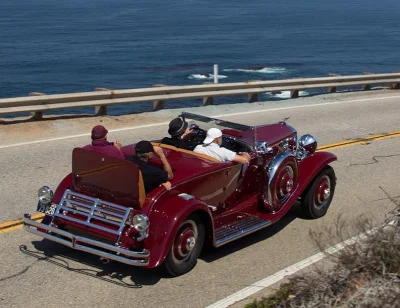
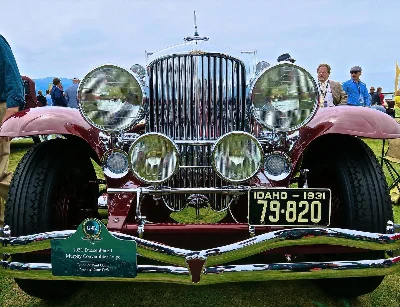
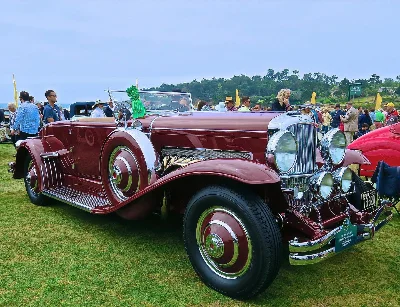
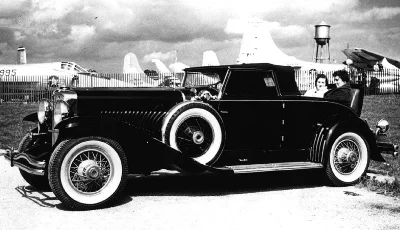
Duesenberg Model J chassis 2367, powered by engine J‑345, represents one of the most desirable and iconic configurations of the legendary Model J: the Murphy “Disappearing Top” Convertible Coupe. Built in 1930 (often referred to as a 1931 model), this car is a rare and highly coveted example, retaining its original chassis, engine, body (no. 925), and even its numbered crankshaft, a level of originality seldom encountered among Duesenbergs.
The Walter M. Murphy Company of Pasadena created some of the most elegant coachwork ever fitted to the Model J. Among their most celebrated designs was the Disappearing Top Convertible Coupe, of which only approximately 25–27 examples were built.
This design allowed the entire folding top assembly to be concealed beneath a flush-fitting metal lid, creating a smooth, uninterrupted profile from the radiator to the rear deck. Combined with minimal chrome, hidden window mechanisms, and Murphy’s clean, flowing lines, the result was a car that possessed the visual purity of a roadster with the practicality of a convertible, widely regarded as the ultimate expression of Duesenberg styling.
Chassis 2367 is perhaps best known for its remarkable and colorful early ownership, which reads like a chapter from American Prohibition-era history.
The car was delivered new on August 20, 1930, to William Collins, reportedly a figure in the New York underworld. Tragically, Collins was killed just one day after taking delivery, never having had the opportunity to enjoy his new Duesenberg.
The car then passed to Mickey Duffy, one of Philadelphia’s most notorious bootleggers, an individual later immortalized in fiction as the inspiration for the character Mickey Doyle in Boardwalk Empire. After Duffy was himself killed in 1931, the car is believed to have passed to Owney “The Killer” Madden, the infamous gangster and owner of Harlem’s Cotton Club.
With Madden’s sale of the car later in 1931, its direct association with organized crime came to an end, but this extraordinary beginning ensured its place as one of the most storied Duesenbergs ever built.
Following its early notoriety, the car entered a quieter period, passing through owners such as James Imbrie Jr. and others across the East Coast and American South, including time spent in Miami and Georgia. Notably, one owner during this period was Alice DeLamar, a well-known patron of the arts.
Like many great classics, the Duesenberg’s value declined during the 1940s and early 1950s. By December 1953, it was advertised for sale in Motor Trend for just $150–$1,750—a stark contrast to its original prestige.
In 1954, the car was acquired by Allan Eby of Ohio, who soon passed it to his son Eldon Eby. Eldon would become the car’s longest-term and most important caretaker.
Between 1975 and 1980, Eldon Eby, together with David Griffioen, undertook a meticulous restoration of the car. With the goal of elevating the car to the highest possible specification, they converted it to SJ specification, fitting a correct-type supercharger built from factory-style components.
Additional improvements included:
- Complete engine rebuild with upgraded internal components
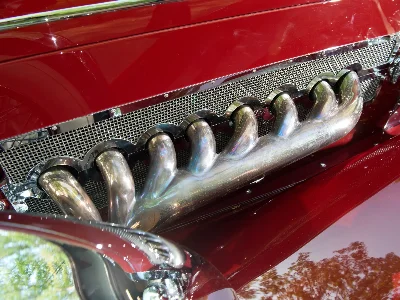
- Installation of an exceptionally rare Monel side exhaust system
- Careful attention to original finishes and materials
- Retention of original numbered components, including the crankshaft
The restoration was of such high quality that the bare chassis itself was featured in Griffith Borgeson’s landmark work on E.L. Cord.
Following its restoration, chassis 2367 set a benchmark for Duesenberg restorations, winning:
- Best Duesenberg
- Best in Show at the ACD Club National Reunion (1982)
In the early 1980s, the car was sold to John Thorpe of California, who exhibited it at the Pebble Beach Concours d’Elegance in 1983 and 1984.
Over the following decades, it passed through several respected collections, including those of Gordon Apker and Calvin High.
Eventually, it joined a carefully curated collection of Cord-era automobiles in the American Midwest. Remarkably, its longtime caretaker Eldon Eby later resumed responsibility for maintaining the car, ensuring continuity of knowledge and preservation.
Few cars combine design excellence, performance, provenance, and originality quite like this Duesenberg. From its dramatic beginnings in the Prohibition underworld to its status as one of the most revered restored Model Js, chassis 2367 embodies everything that makes the Duesenberg legend endure.
With its elegant Murphy coachwork, supercharged performance, and extraordinary story, it remains one of the most compelling examples of the “World’s Mightiest Motor Car.”