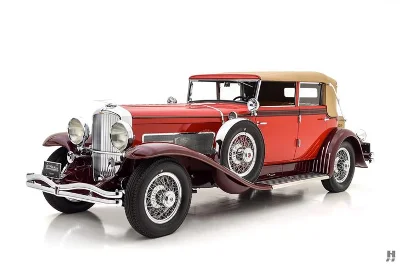
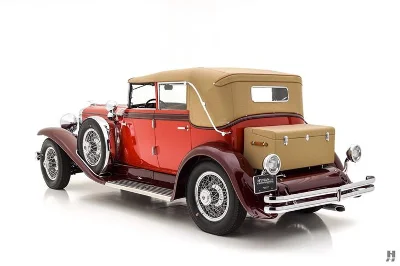
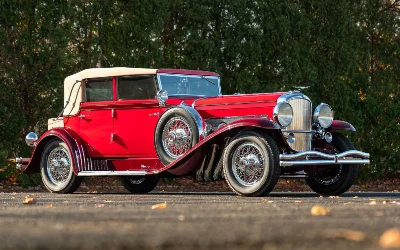
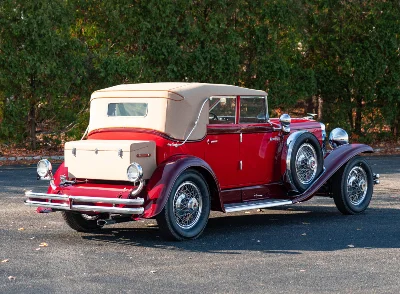
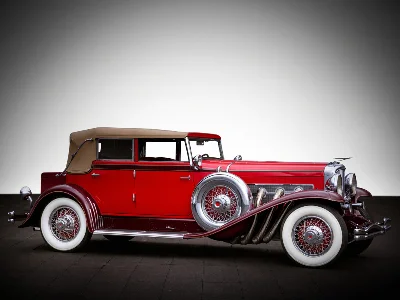
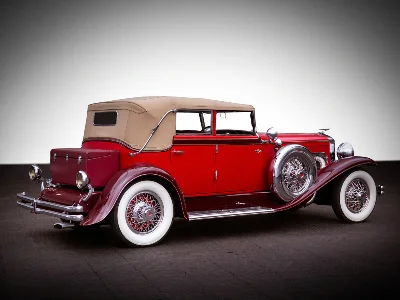
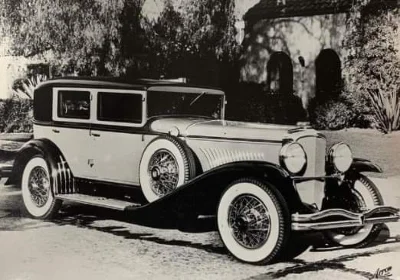
Duesenberg Model J chassis 2350 was originally delivered with a formal Derham sedan body, reflecting the refined and understated elegance for which the Philadelphia-based coachbuilder was well known. In September 1930, the car was purchased new by William S. Rupert, beginning a long ownership history spanning several decades and multiple caretakers.
Over time, the car passed through a number of owners, including William Ferguson and later Marion Roberts, who maintained possession from 1944 to 1965. It was subsequently owned by John North until 1967, at which point the car had suffered significant damage to its original Derham coachwork.
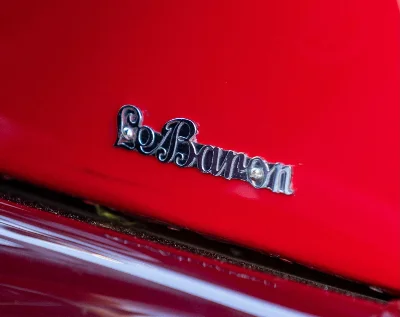
In mid‑1967, the damaged chassis was acquired by noted Duesenberg collector Homer Fitterling, a key figure in preserving many important Model Js during the early years of the collector car movement. Recognizing the opportunity to create a more complete and visually striking automobile, Fitterling also acquired chassis 2152, which was fitted with a LeBaron Convertible Sedan body.
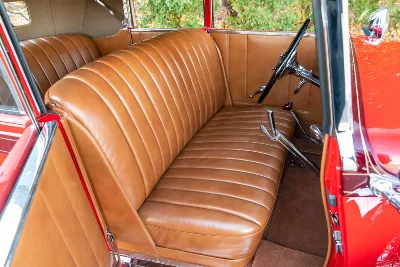
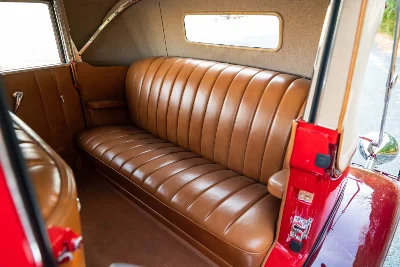
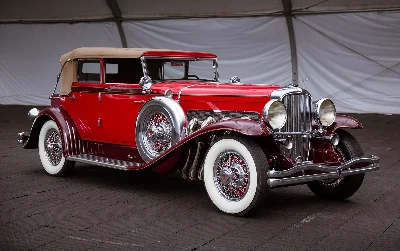
In a move typical of the era, when preservation often meant combining the best available components, Fitterling transferred the LeBaron Convertible Sedan body from chassis 2152 onto chassis 2350. The original Derham sedan body was not retained and is today considered lost.
Following this transformation, the car continued its life in enthusiast hands, passing through owners including Ed Weaver (who retained the car until approximately 1995), Robert Petersen, and later Aaron Weiss.
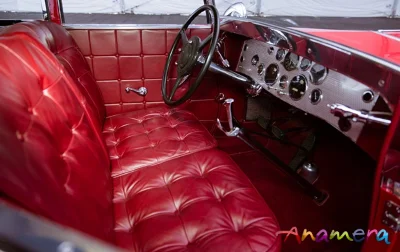
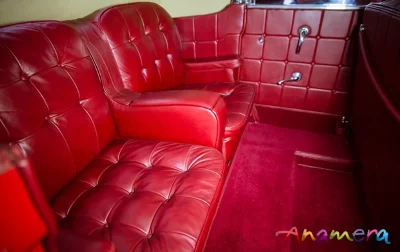
Today, chassis 2350 represents a classic example of the evolution many Duesenbergs experienced across their lifetimes. While no longer wearing its original Derham coachwork, it carries a highly desirable LeBaron body and reflects the practical decisions made by early collectors to preserve these remarkable automobiles during a period when originality was often secondary to survival.