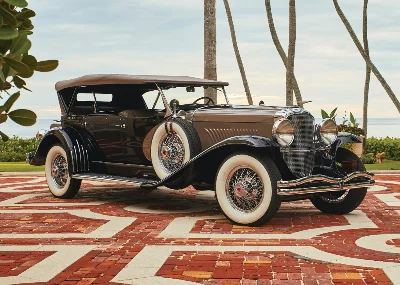
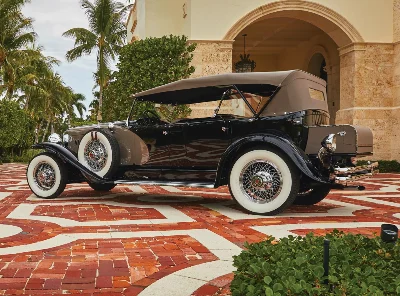
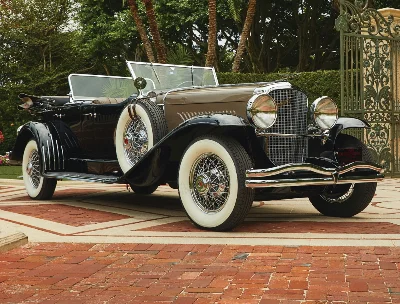
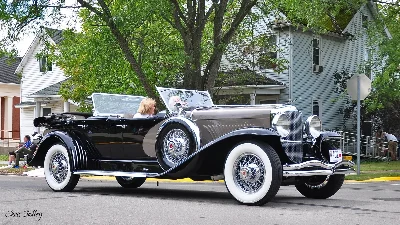
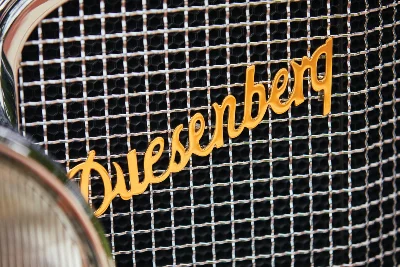
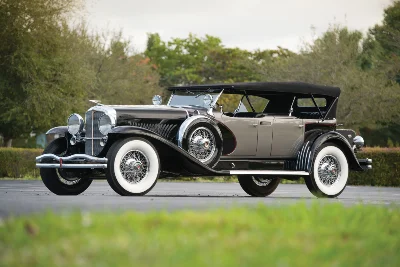
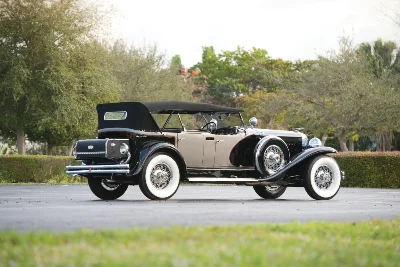
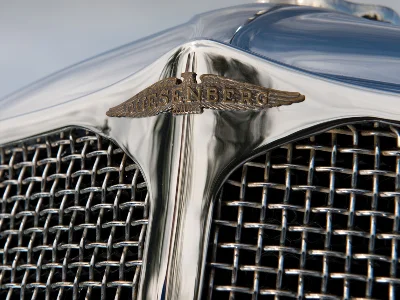
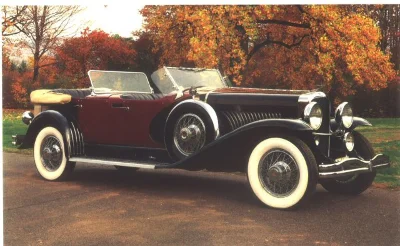
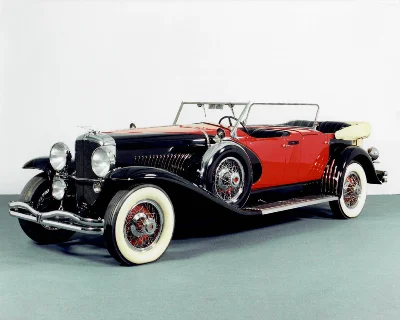
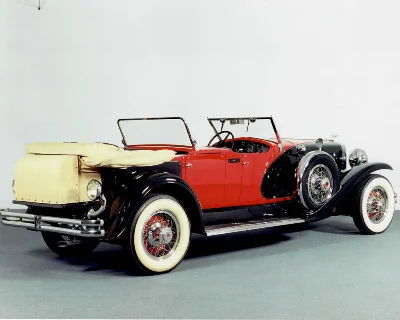
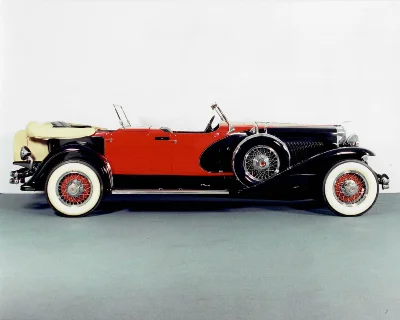
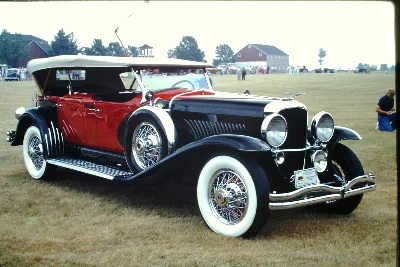
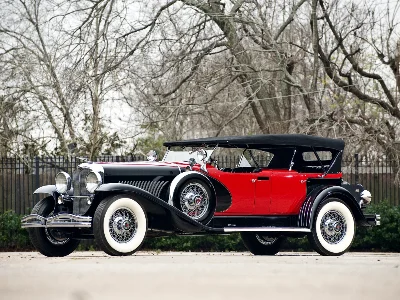
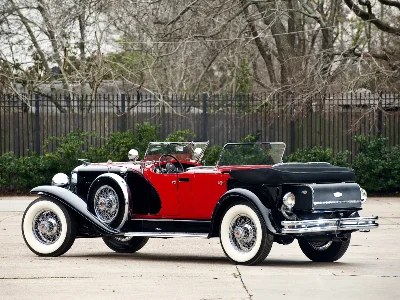
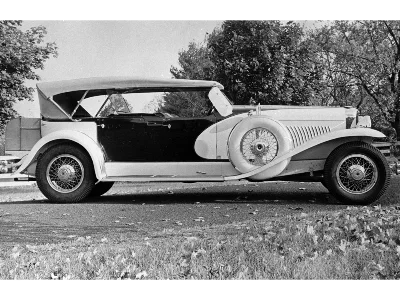
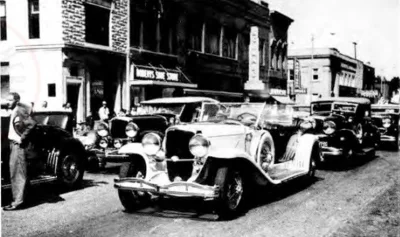
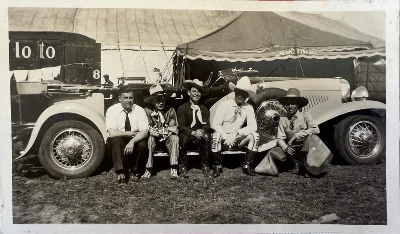
Chassis 2336, now powered by engine J‑487, occupies an exceptional place within the Model J lineage. Of the approximately eighteen “Sweep Panel” Dual‑Cowl Phaetons built, this car is the only example ever constructed on the long 153.5‑inch wheelbase chassis. This distinction alone places it among the most unique Duesenbergs in existence.
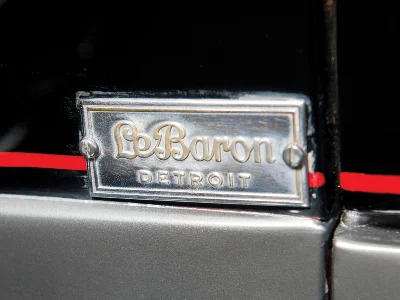
The “Sweep Panel” design, originally developed by LeBaron, was one of the earliest and most influential styling treatments applied to the Model J. Characterized by its flowing two‑tone bodywork, the sweeping accent panel visually extends the car’s length while emphasizing its elegance.
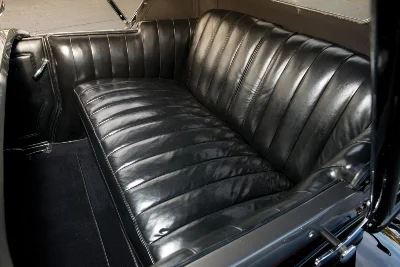
On chassis 2336, this design was further enhanced by the extended wheelbase. The additional length was primarily devoted to the rear passenger compartment, with a carefully inserted panel between the doors, finished with a subtle contrasting fillet. The result is a car of extraordinary presence—long, low, and powerful in proportion, yet still balanced and refined.
The car was originally delivered in 1930 to J. Clarke Dean Sr., a prominent Chicago broker with Dean, Onatavia & Company. Dean was a well-established figure in financial and social circles, and records indicate that he paid cash for the car—an extraordinary feat even among the wealthy clientele of the era.
In 1938, the car was sold through the Felz Cadillac Company in Chicago, eventually making its way to Grand Rapids, Michigan, where it was purchased in 1948 by George Williams. By this time, the car was already fitted with its current engine J‑487, believed to have been installed earlier as a factory branch replacement during its Chicago years. The engine has remained with the car ever since, forming a long-standing part of its identity.
In 1951, the Duesenberg was acquired by Raydon R. “Don” Thompson and his partner Jack Irwin of West Virginia. With the help of mechanic Bob Roller, they undertook restoration work on the chassis and engine, ensuring the car’s continued usability.
The car later passed through several important collectors, including:
- Tony Pascucci (from 1964), one of the most respected early Duesenberg collectors
- The Imperial Palace Auto Collection in Las Vegas
- A brief period with collector Bill Lassiter
- Later ownership by Dale Fowler
Throughout these decades, the car was consistently preserved and appreciated rather than heavily altered, maintaining much of its historical integrity.
In more recent years, the car has undergone both cosmetic and mechanical refinement, ensuring it remains both visually impressive and mechanically sound. Restoration work, carried out to a high standard, has included careful detailing and sympathetic updates while respecting the car’s originality.
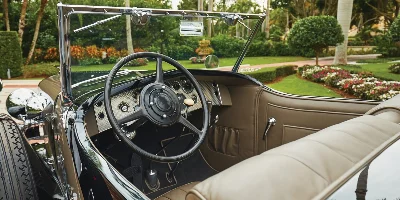
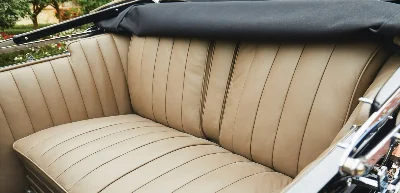
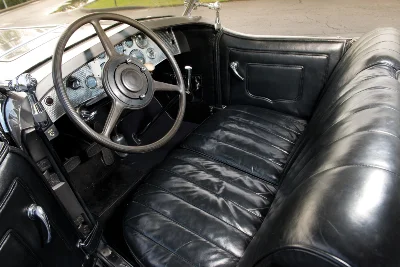
Today, chassis 2336 is presented in an elegant black and graphite grey (or café au lait-style) color scheme, perfectly suited to the sweeping lines of the LeBaron body. The black cloth convertible top and rich leather interior, complemented by an engine‑turned dashboard, complete the sophisticated presentation.
The result is an automobile that is both dramatic and refined, with proportions and detailing that highlight the very best of early 1930s American coachbuilding.