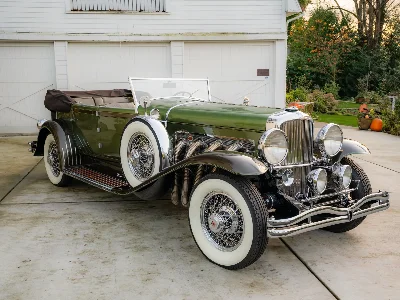
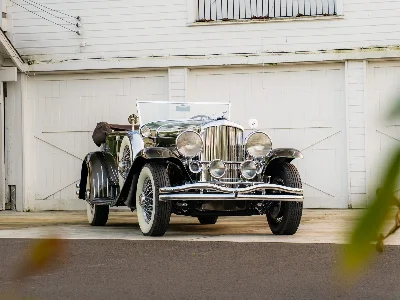
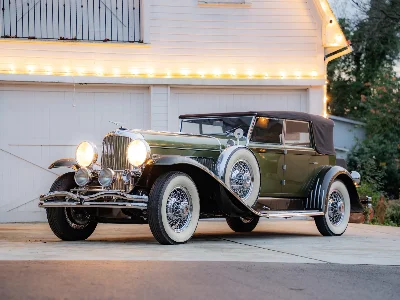
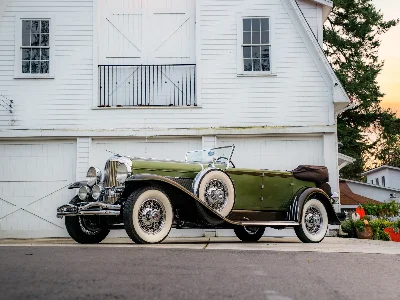
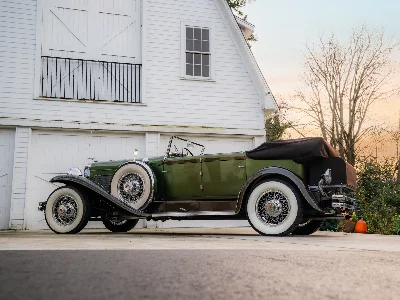
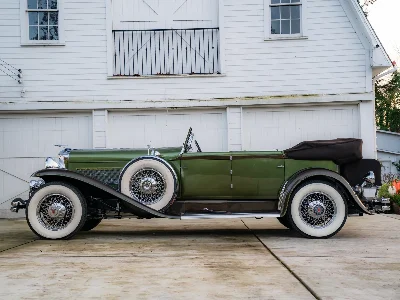
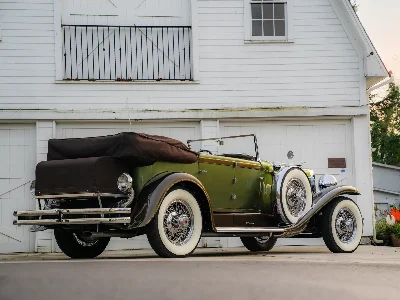
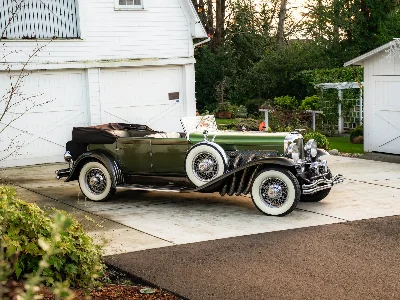
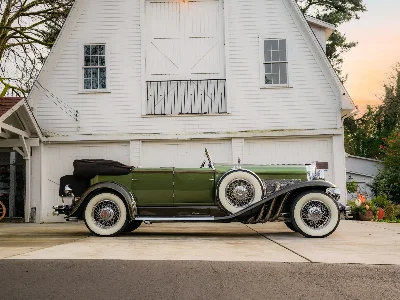
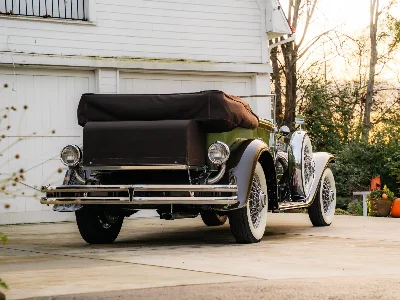
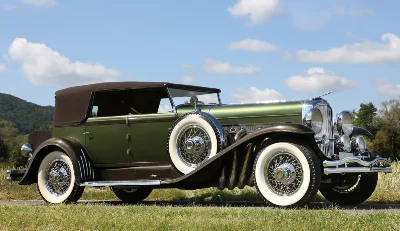
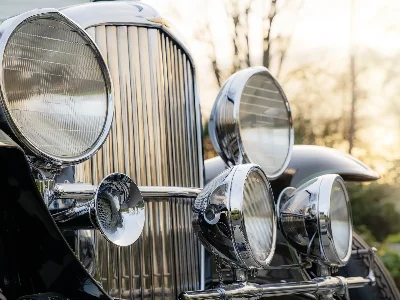
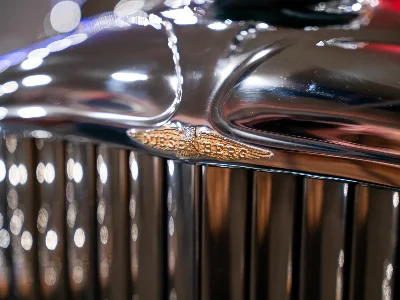
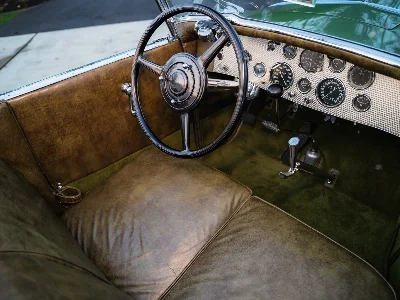
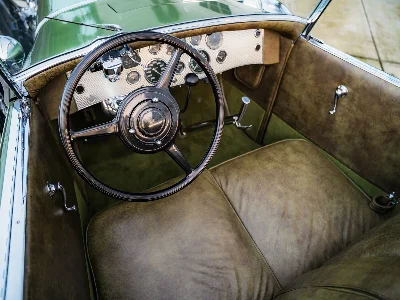
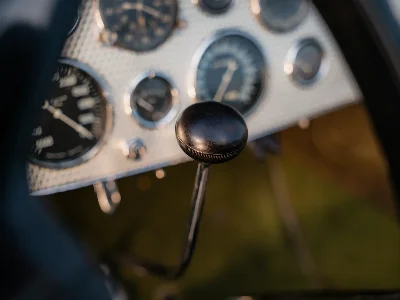
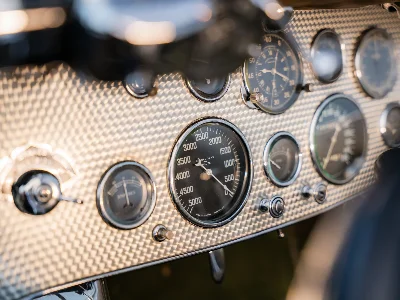
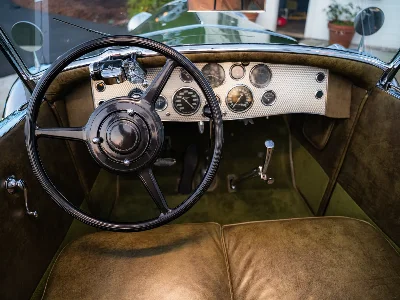
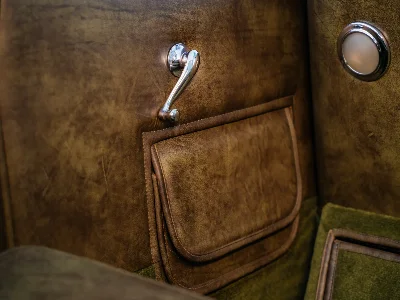
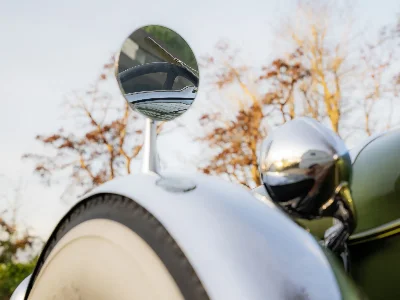
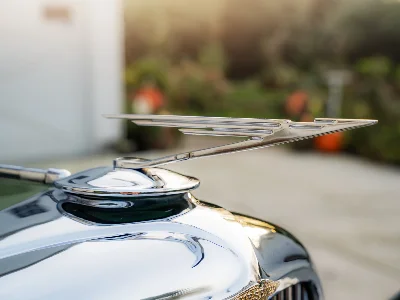
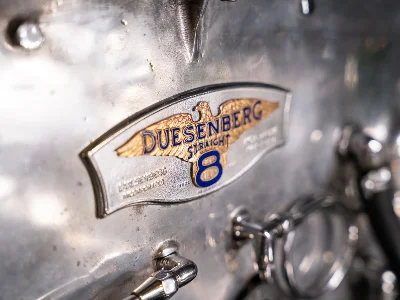
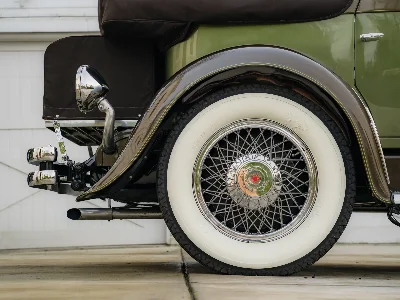
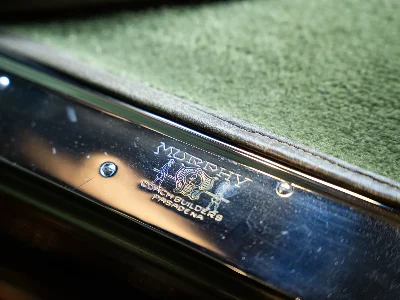
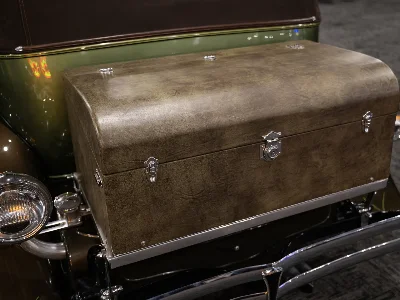
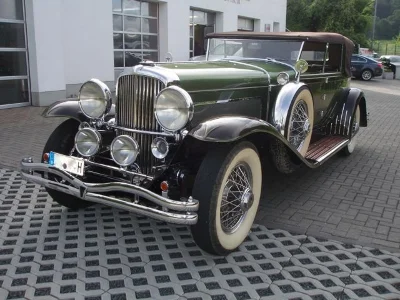
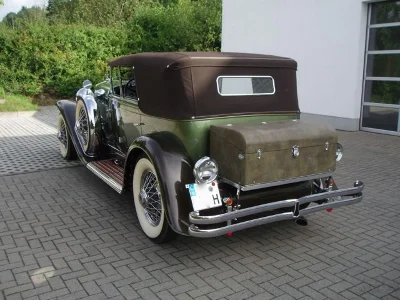
This 1929 Duesenberg Model SJ Convertible Sedan by the Walter M. Murphy Company is one of the most iconic open‑body designs ever placed on the legendary Model J chassis. Built on its original short‑wheelbase chassis 2192, with engine J‑169, body number 850, and firewall 2192, it remains a fully matching‑numbers example of a factory‑correct Murphy convertible sedan—one of roughly 45 produced.
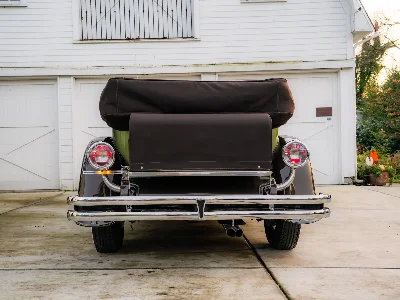
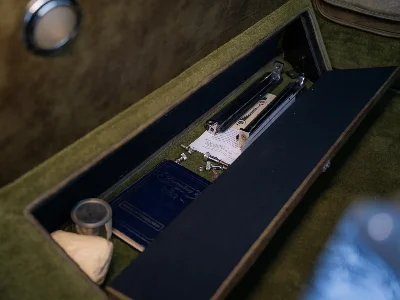
Murphy’s convertible sedans were celebrated for their elegant proportions and clean, almost understated lines. Inspired by earlier Murphy work for Packard and Hudson, they paired simplicity with a powerful presence, an ideal match for the mighty Duesenberg. Based on its body number, this car appears to have been built for Duesenberg's own stock, yet it carried several interesting custom touches, including a lockable storage compartment in the rear floor.
The earliest known owner on record was William Robinson of Connecticut, listed as the car’s second owner by historian Ray Wolff. After passing through two additional owners, the car was acquired by Julius Reale, who stored it from 1949 to 1960. At that point, it was sold to early collector Tony Pascucci of Meriden, Connecticut. Pascucci famously used the car as trade payment for the restoration of his LeBaron "barrelside" dual‑cowl phaeton by restorer Ted Billing of Massachusetts.
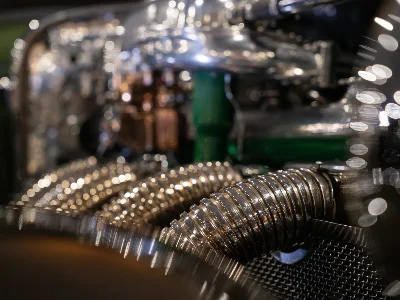
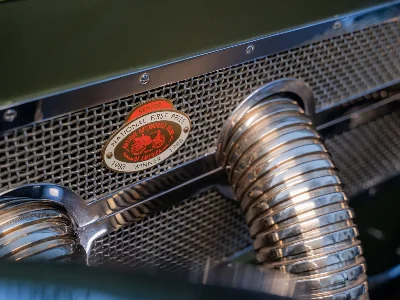
In 1967, Billing sold the Duesenberg to longtime collector and close friend Al San Clemente of Shrewsbury, Massachusetts. San Clemente undertook an extraordinarily ambitious, nearly 20‑year restoration, during which he decided to upgrade the car to the ultimate factory‑style supercharged "SJ" specification. A correct single‑carburetor supercharger was assembled using the original top "pot" section from an authentic factory blower, a rare aluminum piece that remained unusable until 1970s technology allowed it to be sealed properly. Internal gears and components were supplied by noted Duesenberg expert Leo Gephart, ensuring the supercharger retained as many original elements as possible. During an era when full reproduction superchargers were becoming common, San Clemente’s effort to use genuine components made this example especially authentic and mechanically superior.
After eighteen years, the San Clemente family sold the freshly restored car in 1985 to a new owner in the Pacific Northwest. It soon attracted the attention of Tom Monaghan, the flamboyant founder of Domino’s Pizza, who was building an impressive collection of American classics in Ann Arbor, Michigan. During Monaghan’s ownership, J‑169 was shown at the 1987 Meadow Brook Concours d’Elegance and later appeared in Beverly Rae Kimes’ The Classic Car, where a previous owner famously summarized why the car was special: "Because it’s supercharged!"
In 1990, RM Classic Cars sold the Duesenberg to German collector Rainer Grebe, marking the first major international sale for the young RM organization, an important milestone in the company’s early history. Grebe rarely showed the car, and it remained largely hidden from the public for nearly three decades.
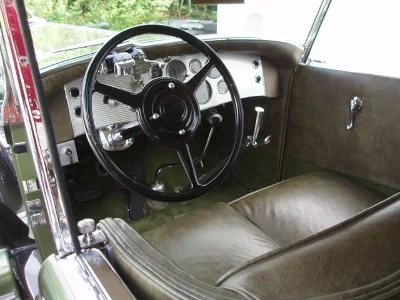
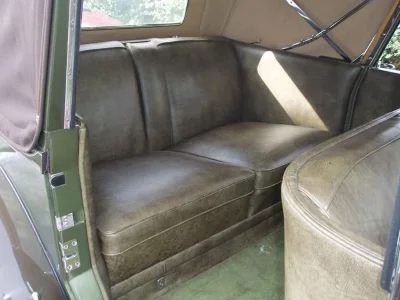
When finally acquired by its current owner in 2020, a dedicated enthusiast of Full Classics, the car still showed the high quality of the older Billing/San Clemente restoration. The striking two‑tone green body and upholstery remained attractive and well‑preserved, though the finish needed minor attention.
The result is a beautifully preserved and freshly sorted Duesenberg, still equipped with its authentic supercharger built from original factory components, still wearing its Murphy coachwork, and still riding on its original short‑wheelbase chassis.