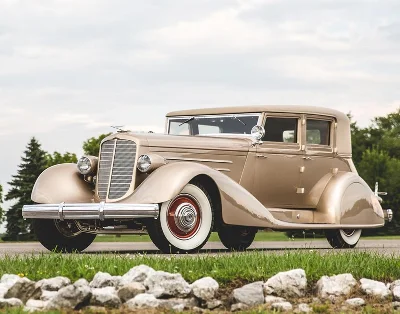
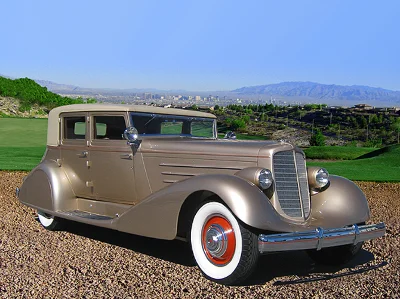
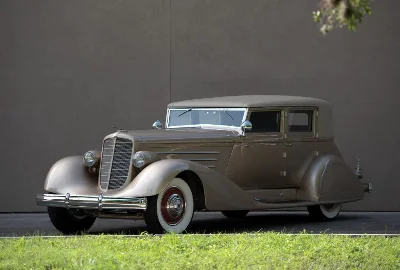
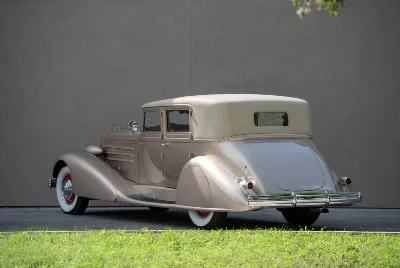
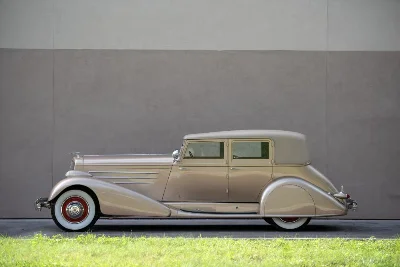
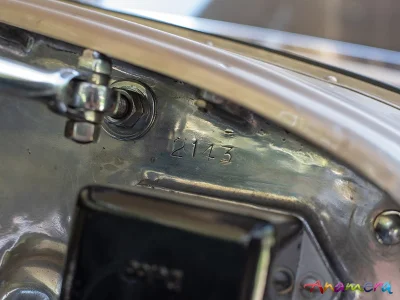
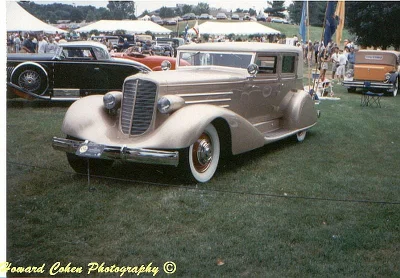
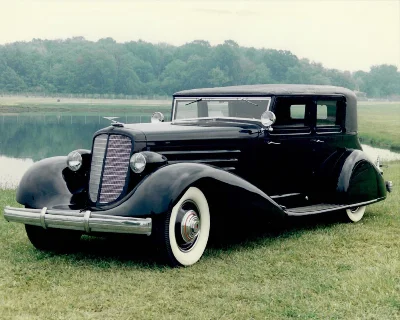
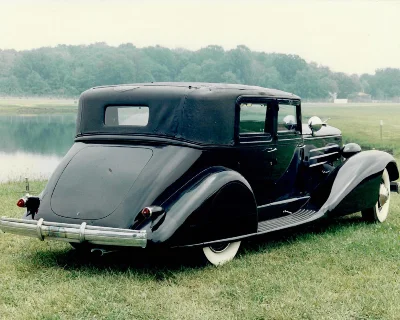
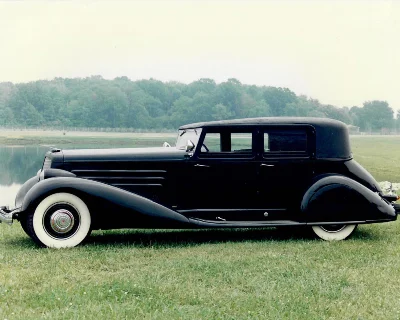
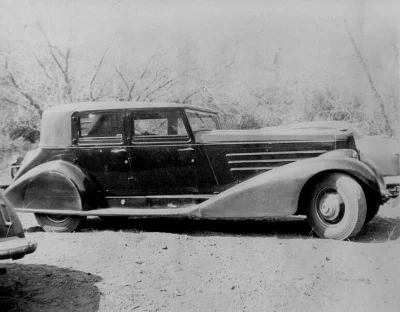
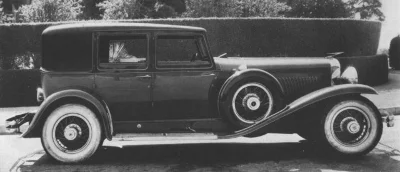
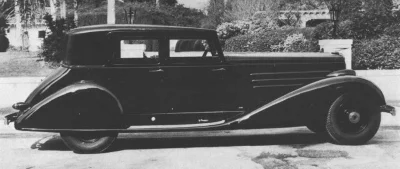
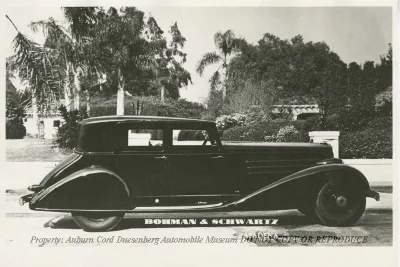
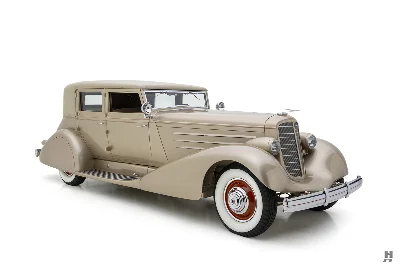
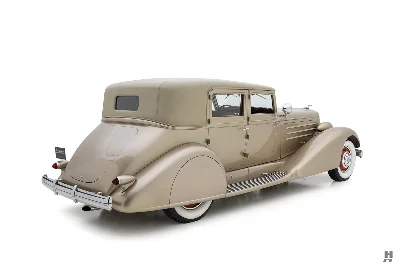
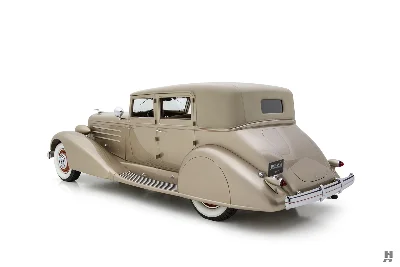
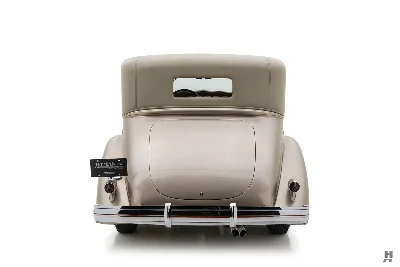
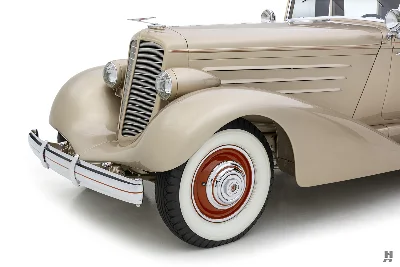
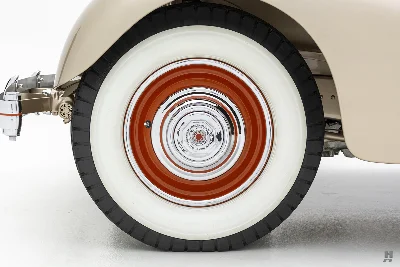
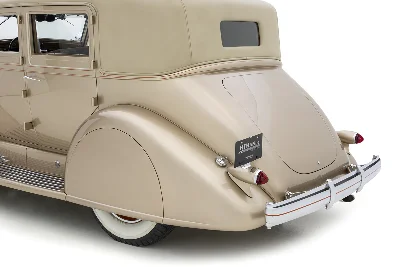
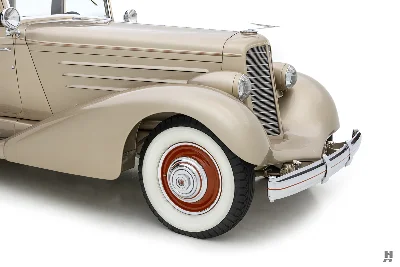
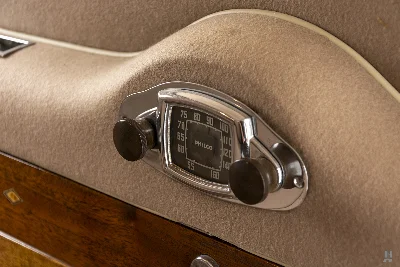
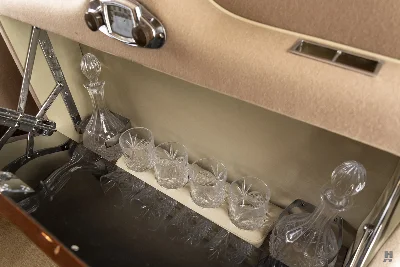
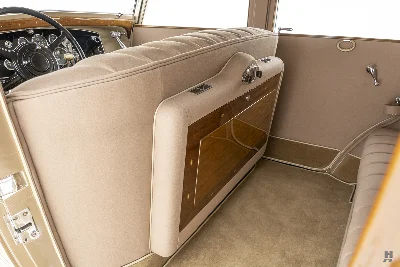
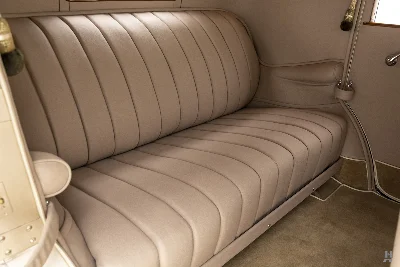
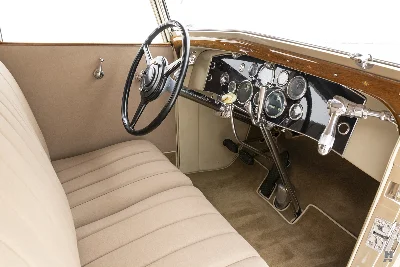
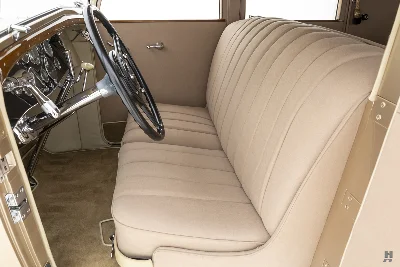
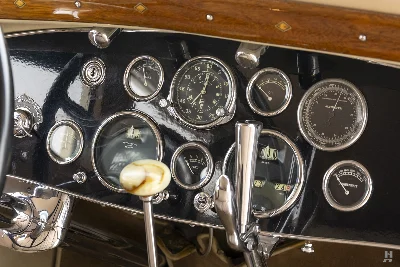
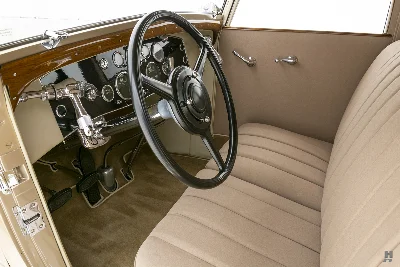
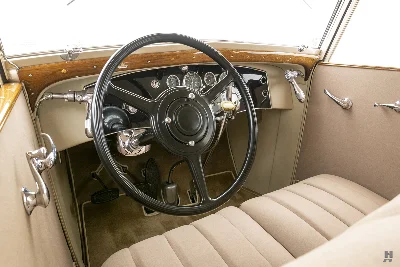
Chassis 2143, powered by engine J‑118, is a particularly fascinating early example, notable for both its transformation and its well-documented history.
It was originally delivered as a four-door sedan by the Derham Body Company, believed by historians such as Ray Wolff and Marshall Merkes to be the first Model J bodied by Derham.
The car was sold new to Art Kiel of Santa Barbara, California.
The car’s early life took a dramatic turn in the early 1930s during a return trip from Santa Catalina Island, when it was accidentally dropped into the Santa Barbara Channel. Fortunately, the water was shallow, allowing the car to be recovered. However, the incident left it in need of significant restoration work.
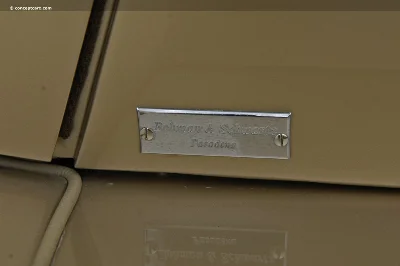
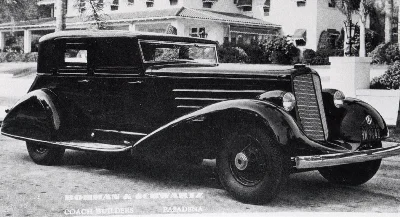
Rather than repair it to its original configuration, Kiel sold the car to M. K. Barbee, a Los Angeles Coca-Cola bottling executive known for his flamboyant lifestyle and taste for dramatic automobiles. Seeing an opportunity for reinvention, Barbee commissioned the recently formed Bohman & Schwartz coachworks of Pasadena to completely restyle the car.
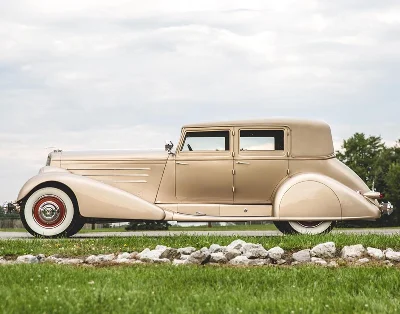
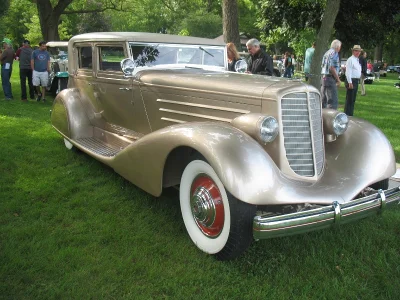
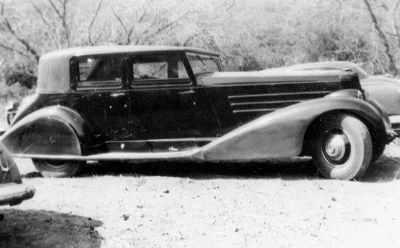
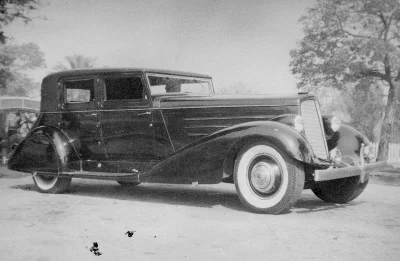
Bohman & Schwartz, successors to the famed Walter M. Murphy Company, were rapidly gaining recognition for their bold, modern designs. For J‑118, they created a striking Art Deco-influenced transformation.
The redesign included:
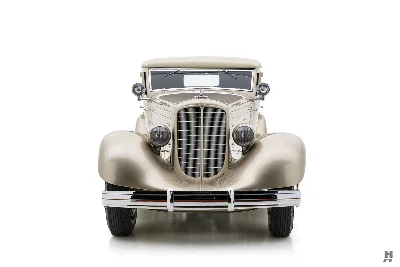
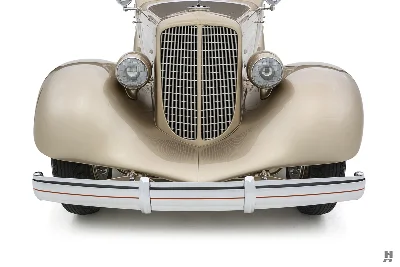
- A dramatic canted “waterfall” grille
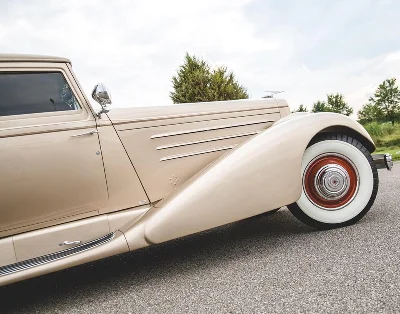
- Fully skirted front fenders integrated into the body
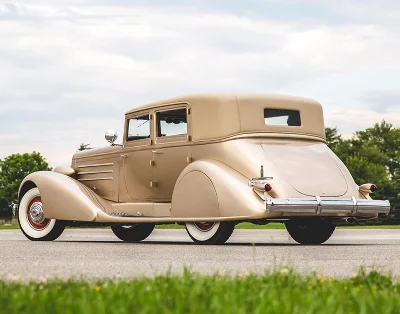
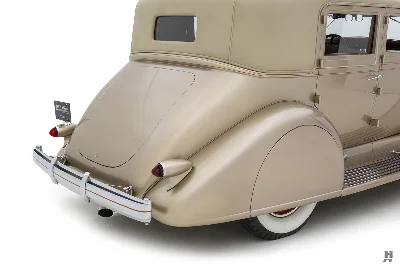
- Reworked rear fenders with removable spats
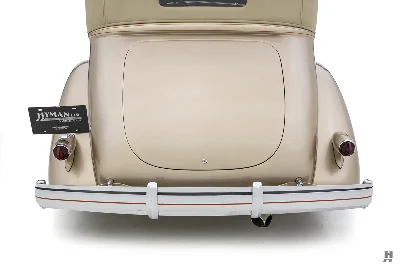
- A smooth, tapering rear body with an integrated trunk
- Horizontal, Art Deco-inspired hood louvers
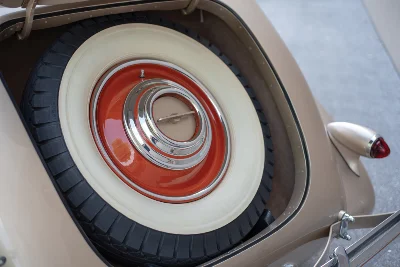
- Removal of side-mounted spare wheels for a cleaner profile
The central portion of the original Derham body was retained, preserving its identity, while the overall look was transformed into a sleek, modern interpretation of luxury. Period photographs show the car originally finished in all black, giving it a bold and purposeful presence.
Following Barbee’s ownership, the car passed through a succession of early collectors who recognized its significance.
It was owned by Art Austria of the Simplex Garage in California before being acquired by Fred Buess Jr., who kept it until 1963.
At that point, it entered the collection of Homer Fitterling, one of the most important Duesenberg collectors of his era, where it remained for nearly two decades.
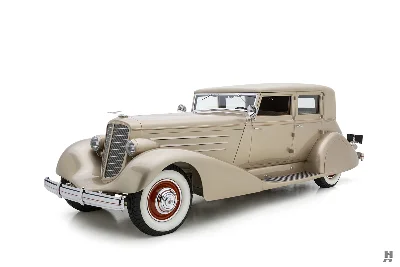
In 1983, the car passed to Gerri Brown, who enjoyed driving and showing it. A decade later, in 1993, it was sold to Ed Weaver, famously in exchange for a new Rolls-Royce, illustrating both its desirability and uniqueness. After Weaver’s untimely passing, the car was acquired by the Blackhawk Collection, where it was refinished in its current color scheme and prepared for show.
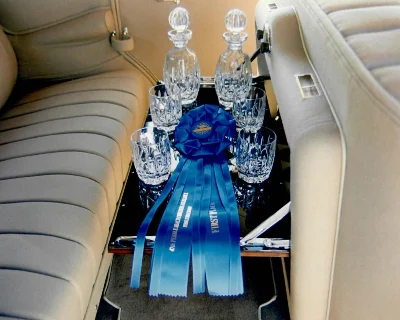
In 1997, the car appeared at the Pebble Beach Concours d’Elegance, where it earned Best in Class, confirming its status as one of the most striking and historically significant Duesenbergs in existence. It later spent many years in the Richard Burdick Collection, followed by ownership in a Michigan-based collection, where it was further refined with a 540-hour cosmetic and mechanical refresh by Mann’s Restoration.
More recently, the car has been part of a major East Coast collection, where it has been maintained by marque specialists and kept in excellent condition.
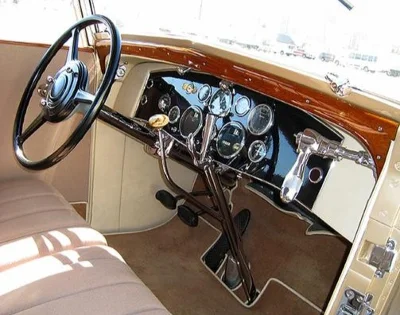
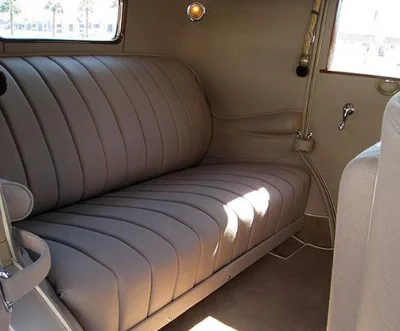
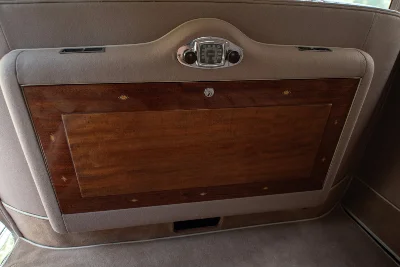
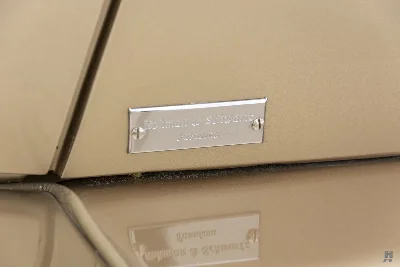
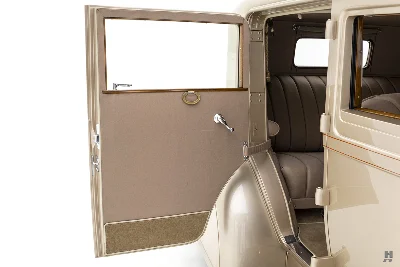
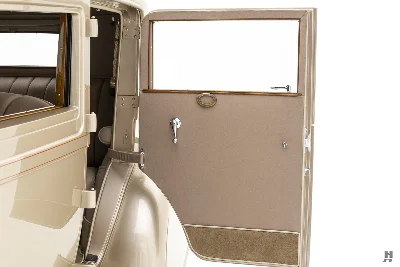
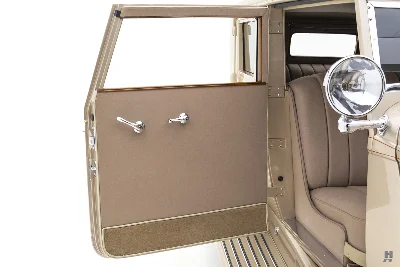
Today, chassis 2143 presents as a highly distinctive and beautifully preserved example, finished in a warm gold color that highlights the flowing, sculptural lines of the Bohman & Schwartz coachwork. Importantly, the car retains its original engine, firewall, chassis, and portions of the Derham body, making it a rare combination of authenticity and transformation. It is recognized as an ACD Category One Certified Original Car.
With its extraordinary story, from early luxury sedan, to maritime mishap, to one of the most dramatic custom-bodied Duesenbergs ever created, J‑118/2143 stands as a true one-off.
It perfectly illustrates how these cars evolved over time, reflecting changing tastes while remaining rooted in unmatched engineering excellence.